Before sunrise, a railway station in India is already alive. Tea sellers call out from platforms, families gather beside luggage, signals change in the distance and a long train begins its journey across fields, cities, mountains and coastlines. Indian Railways is not simply a way to travel from one place to another. It is a moving portrait of the country—carrying workers, students, soldiers, traders, tourists and dreams every day. From its first short journey in 1853 to modern electric trains and ambitious engineering projects, these ten facts reveal the scale, history and human importance of Indian Railways.
1. India’s First Passenger Train Ran in 1853
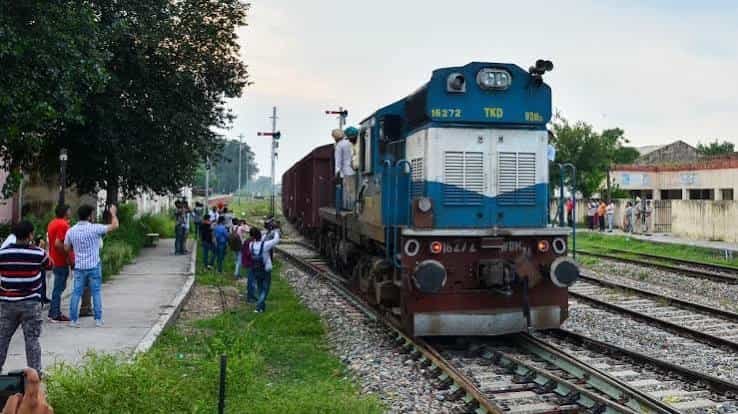
The first passenger train in India ran on 16 April 1853, from Bori Bunder in Bombay, now Mumbai, to Thane. The journey covered about 34 kilometres and was pulled by three steam locomotives named Sahib, Sindh and Sultan. Fourteen carriages carried around 400 guests, and the historic departure was marked by a 21-gun salute. That short journey became the beginning of a railway system that would eventually connect most parts of the country.
2. Indian Railways Is One of the World’s Largest Rail Networks
Indian Railways has grown from a small colonial-era line into one of the world’s biggest railway systems. Its broad-gauge routes extend for tens of thousands of kilometres and link major cities, remote towns, industrial centres, ports and border regions. The network is more than track and trains: it includes bridges, tunnels, signalling systems, workshops, stations, control rooms and thousands of railway colonies and service facilities.
3. It Connects People Across Extraordinary Geography
A single railway system crosses deserts, plains, forests, flood-prone areas, mountains and coastal regions. Trains travel through the Himalayas’ foothills, the Thar Desert, the Konkan coast and the densely populated Gangetic plain. This geographical reach gives Indian Railways a special national role. It allows people to travel for education, employment, family events, pilgrimages, business and emergencies, often at a cost lower than air travel.
4. Railways Carry Both Passengers and the Economy
Passenger trains are the most visible part of Indian Railways, but freight operations are equally important. Trains carry coal, food grains, fertilisers, cement, petroleum products, steel, containers and many other goods. Freight movement supports power stations, factories, farms, ports and markets. In 2024–25, railway freight loading crossed 1.61 billion tonnes, showing how strongly the national economy depends on rail transport.
5. Electrification Has Changed the Network
Indian Railways has made a major shift from steam and diesel power to electric traction. Official government information reported that about 99.2 per cent of the network had been electrified by November 2025. Electric trains can reduce dependence on imported fuel and support cleaner, more efficient railway operations. Electrification also works alongside track upgrades, improved signalling and efforts to increase speed and capacity.
6. Vande Bharat Represents a New Generation of Trains
Vande Bharat Express is India’s indigenous semi-high-speed train. It uses modern trainsets, faster acceleration, automatic doors, improved passenger amenities and enhanced safety features. The trains are designed and manufactured in India and have become a visible symbol of railway modernisation. They do not replace every kind of service, but they show how Indian Railways is adding faster and more comfortable options on important routes.
7. The Chenab Bridge Is an Engineering Landmark
The Chenab Rail Bridge in Jammu and Kashmir is one of the most striking railway structures in India. Its steel arch crosses the Chenab River in a difficult mountain landscape and rises higher than the Eiffel Tower. Building the bridge required careful work against strong winds, steep terrain, earthquakes and difficult access. It forms part of the rail connection designed to link the Kashmir Valley more directly with the rest of India.
8. Railways Operate Special Trains for Major Events
Indian Railways often runs additional services during festivals, examinations, holidays and large religious gatherings. During events such as the Kumbh Mela, millions of people may need to travel within a short period. Railway teams add coaches, manage crowds, strengthen security, adjust timetables and keep stations supplied. These arrangements demonstrate that railways are not only a daily transport service but also an emergency-scale logistical system.
9. Safety Technology Is Becoming More Advanced
Modern railway safety combines track maintenance, signalling, communication and human training with new technology. The indigenous Kavach automatic train protection system is being introduced on selected routes to help reduce the risk of collisions caused by signal or speed violations. Indian Railways is also using electronic interlocking, surveillance, track-recording systems and digital passenger information. Technology cannot replace careful operations, but it can provide another layer of protection.
10. Indian Railways Has a Powerful Cultural Identity
Trains appear in Indian films, novels, songs, school memories and family stories. A railway journey may mean a first trip away from home, a reunion after years, a pilgrimage, a new job or the beginning of an adventure. Station names, food vendors, colourful coaches and changing landscapes have become part of India’s shared memory. This emotional connection is one reason Indian Railways feels like more than a government department—it feels like a national institution.
Indian Railways began with a 34-kilometre journey, but its meaning has never been measured only in kilometres. It has helped connect markets, families, languages, regions and opportunities. Today, electrification, Vande Bharat trains, advanced safety systems and landmark bridges are shaping its future, while ordinary passenger trains continue to carry the daily life of the country. Indian Railways remains a remarkable combination of engineering, public service and human stories—always moving, always expanding and deeply woven into India’s identity.