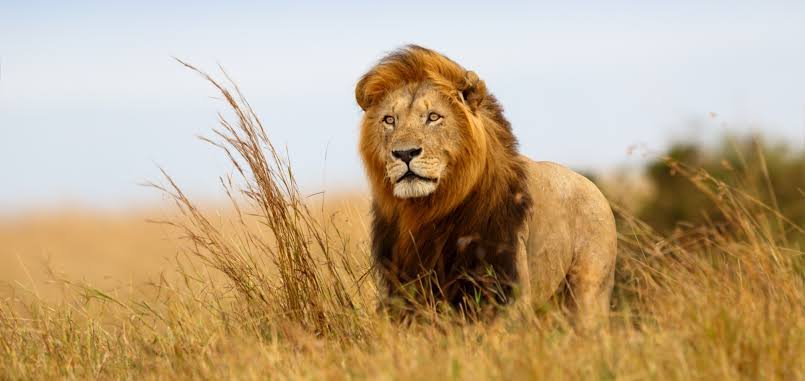
A lion can make an entire grassland feel suddenly alive. Its roar rolls across the darkness, its golden coat disappears into dry grass, and its watchful eyes follow every movement nearby. Yet the lion is not only a symbol of strength. It is also a highly social animal that depends on family bonds, teamwork and careful communication. Lionesses cooperate to raise cubs and find food, while males help defend the pride and its territory. From their unusual sleeping habits to the surprising way cubs share mothers, lions are full of fascinating details. Here are ten engaging facts that show why these famous big cats are both powerful predators and remarkably family-oriented animals.
1. Lions Are the Most Social Big Cats
Most big cats live alone, but lions usually live in family groups called prides. A pride may include related lionesses, their cubs and one or more adult males. Living together helps lions protect territory, care for young and face threats. The size of a pride changes with the amount of food and water available in its habitat.
2. Lionesses Usually Do Most of the Hunting
Lionesses are generally the pride’s main hunters. They often work together to stalk, surround and bring down prey such as antelope, zebra and wildebeest. Teamwork gives them a better chance of approaching a large animal. Lions are powerful, but they are not built for long chases, so stealth and timing are very important.
3. A Lion’s Roar Is a Powerful Message
A roar is not simply an expression of anger. Lions use roaring to announce their presence, warn rival groups, locate pride members and reinforce territorial boundaries. A male’s roar can carry several kilometres across open land. Each lion also has a distinctive voice, allowing other members of the pride to recognise it.
4. The Mane Has More Than One Purpose
Only male lions normally grow manes, although the size and colour vary. A thick, dark mane can make a male appear larger and more intimidating to rivals. It may also offer some protection around the neck during fights. Scientists believe the mane can provide information about a male’s age, health and strength.
5. Lion Cubs Are Born with Spots
Newborn cubs often have dark spots or faint stripes on their coats. These markings help them blend into grass and shade while they are small and vulnerable. The spots usually fade as the cubs grow older. A lioness normally gives birth in a hidden place and keeps her cubs away from the pride for several weeks.
6. Pride Lionesses Help Raise One Another’s Cubs
Lionesses in the same pride are often relatives, and they may give birth around similar times. They can nurse one another’s cubs and allow the young animals to play together. This shared care gives cubs protection and companionship. It also allows a mother to hunt while other females remain close to the young.
7. Lions Spend Much of the Day Resting
Lions are famous for their dramatic hunts, but they spend far more time resting than chasing prey. They may sleep or remain inactive for many hours, especially during the heat of the day. Hunting is often safer in cooler evening or nighttime conditions. Rest helps them save energy for short bursts of intense activity.
8. Young Males Eventually Leave Their Birth Pride
Female cubs often remain with their family group, but young males usually leave when they become older. Some travel alone, while others form temporary bachelor groups with brothers or unrelated males. Later, they may challenge established males and try to take control of a pride. This movement helps prevent constant breeding among close relatives.
9. Lions Communicate in Many Ways
Roaring is only one part of lion communication. Lions also grunt, growl, snarl, moan, hiss and make softer sounds when greeting one another. They rub their heads against pride members to strengthen social bonds. Scent marking, scratching the ground and rubbing against plants help them communicate ownership of their territory.
10. Lions Need Protection in the Wild
Lions face pressure from habitat loss, declining prey, disease, illegal killing and conflict with people who keep livestock. When natural prey becomes scarce, lions may approach farms, creating danger for both families and animals. Conservation programmes work to protect habitat, reduce conflict and support communities living near lion territory. Protecting lions also helps preserve the wider grassland ecosystem.
The Family Life Behind the Roar
Lions deserve their reputation as powerful predators, but their greatest strength may be cooperation. They hunt, communicate, protect territory and raise young as a group. Their lives are shaped by family ties and by the changing conditions of the grasslands they call home. Understanding these animals as more than symbols of courage helps us appreciate the real challenges they face—and the importance of keeping wild spaces safe for future generations.