Korea is often imagined through two very different pictures: the neon energy of Seoul and the guarded silence of the Demilitarized Zone. Both belong to the same peninsula, a place shaped by ancient kingdoms, mountain landscapes, long traditions and a dramatic modern history. Korea has given the world a distinctive writing system, celebrated foods, powerful films, music and technology, yet its story is much older and richer than today’s global pop culture. The word “Korea” can refer to the Korean Peninsula and its people, while the modern peninsula is divided between South Korea and North Korea. These ten interesting facts explore that shared history, the geography that shaped it and the remarkable cultural influence Korea has developed across the world.
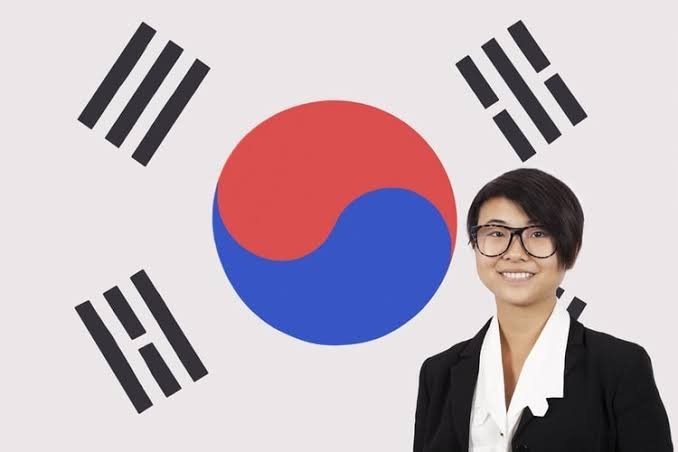
1. Korea Is a Peninsula, Not Just a Single Modern Country
The Korean Peninsula extends southward from the Asian mainland between the Yellow Sea, the Korea Strait and the Sea of Japan, which is called the East Sea in South Korea. Today it contains two states: the Republic of Korea, commonly called South Korea, and the Democratic People’s Republic of Korea, commonly called North Korea. They share a long cultural and linguistic history, but their political systems, economies and international relationships are very different. Using the word Korea carefully helps avoid treating the two modern countries as if they were identical. In historical and cultural discussions, Korea often refers to the peninsula and its people as a whole.
2. The Peninsula Has a History Stretching Back Thousands of Years
Korean history includes prehistoric settlements, ancient kingdoms and powerful dynasties. Goguryeo, Baekje and Silla were among the best-known Three Kingdoms, while the later Goryeo and Joseon dynasties shaped government, art, scholarship and social customs. The English name “Korea” is derived from Goryeo, a dynasty that ruled much of the peninsula from the tenth to the fourteenth century. Palaces, fortress walls, Buddhist temples, royal tombs and archaeological sites still preserve parts of this long past. Modern Korea’s technology and popular culture stand on a foundation built by centuries of political and cultural development.
3. Hangul Was Created to Make Reading Easier
The Korean alphabet, Hangul or Hangeul, was introduced under King Sejong the Great in the fifteenth century. Its creation was explained in the Hunminjeongeum manuscript, which UNESCO has placed on the Memory of the World Register. Unlike writing systems based mainly on borrowed Chinese characters, Hangul was designed to represent the sounds of the Korean language in a systematic way. Its letters are grouped into neat syllable blocks, making written Korean visually distinctive. The alphabet is celebrated each year on Hangul Day in South Korea. Its logical design is one reason Hangul is frequently praised by linguists and language learners.
4. The Korean War Divided a Formerly United Land
For much of history, the Korean Peninsula was governed as a connected cultural and political region. After Japan’s colonial rule ended in 1945, the peninsula was divided into occupation zones near the 38th parallel. The Korean War began in 1950 and ended with an armistice in 1953 rather than a formal peace treaty. The Demilitarized Zone, or DMZ, now runs across the peninsula as a heavily guarded buffer between North and South Korea. Despite its name, the area is not free of military tension, but parts of the surrounding landscape have become important refuges for wildlife because human access is restricted.
5. Mountains Cover Much of the Korean Peninsula
Korea is a mountainous land. Mountains and wooded hills cover large areas, especially in the east and north, while important plains and river valleys support farming and cities. South Korea’s highest peak is Hallasan, a volcanic mountain on Jeju Island. The country also has four distinct seasons, with cold winters, warm summers and a rainy monsoon period. Mountains have influenced settlement, transport, agriculture and traditional ideas about landscape. They also provide hiking trails and forest recreation close to major urban areas. Even in a highly developed society, geography remains a visible part of everyday Korean life.
6. Kimchi Is a Food and a Cultural Tradition
Kimchi is usually made by fermenting vegetables, especially napa cabbage or radish, with seasonings that may include chilli, garlic, ginger and salt. It is served in many forms and varies by region, season and family. Fermentation helps preserve food and creates the sour, spicy and savoury flavours associated with kimchi. Preparing large quantities for winter became a communal tradition known as kimjang. UNESCO recognised kimjang—the making and sharing of kimchi—as intangible cultural heritage in South Korea. Kimchi is therefore more than a side dish; it represents preservation, seasonal knowledge, family cooperation and hospitality.
7. South Korea’s Economic Rise Was Remarkably Fast
After the devastation of the Korean War, South Korea was a relatively poor country. Over the following decades, investment in education, infrastructure, manufacturing and technology helped transform it into a high-income economy. Companies based in South Korea became major producers of semiconductors, ships, cars, batteries, displays and consumer electronics. The World Bank describes this change as a striking movement from post-war aid recipient to an innovation-driven economy. The country’s development was not effortless, and it also brought inequality, intense competition and environmental pressures. Its economic rise remains one of the most discussed transformations of the modern era.
8. Korean Popular Culture Has Become a Global Force
South Korean films, television dramas, music, fashion, beauty products and food have found audiences far beyond East Asia. The global popularity of K-pop and Korean dramas has encouraged people to learn the language, visit Korean cities and explore the country’s history. Korean cinema has also received major international recognition, while online platforms have made cultural exports travel faster than ever. This influence is sometimes called the Korean Wave, or Hallyu. It did not appear overnight: it grew from creative industries, digital technology, strong performance traditions and a willingness to experiment with local and global styles.
9. Korea Has One of the World’s Most Connected Digital Societies
South Korea is known for fast internet, widespread smartphone use and advanced digital services. Technology is woven into transport, banking, entertainment, education and everyday communication. Seoul and other cities have become testing grounds for high-speed networks, digital payments, smart services and technology-focused businesses. The country’s digital success reflects heavy investment in infrastructure and education, but connectivity also creates concerns about privacy, screen time, cybersecurity and unequal access. A modern Korean city can feel almost frictionless technologically, while its people continue to debate how much of daily life should depend on connected devices.
10. Korea’s Story Includes Both Shared Heritage and Deep Differences
North and South Korea share language roots, food traditions, historical memories and family connections that reach across the division. At the same time, more than seven decades of separate political and economic development have produced major differences in daily life, media, travel, education and public institutions. The peninsula also faces common challenges, including an ageing population, changing birth rates, environmental risks and the question of future relations between North and South. Understanding Korea means holding both realities together: a shared civilization with deep historical links, and two modern societies that have followed sharply different paths.
Korea is not defined by one image. It is a peninsula of ancient kingdoms and modern cities, mountain villages and global technology, family traditions and fast-changing youth culture. Its alphabet records a remarkable intellectual achievement, its food preserves communal history, and its music and films now travel across oceans. At the same time, the division between North and South remains one of the most important political realities in Asia. To learn about Korea is to look beyond fashionable headlines and see the long story underneath: a resilient people, a complex history and a culture that continues to influence the world while evolving at extraordinary speed.