The word ‘cancer’ can make a room suddenly quiet. Yet behind that powerful word is not one mysterious disease, but a vast and varied world of cells, genes, immune responses and medical discoveries. Some cancers grow slowly; others move quickly. Some can be prevented, some can be detected early and many can now be treated more effectively than ever before. Understanding the science does not remove the seriousness of cancer, but it replaces fear and confusion with clearer knowledge. Here are ten important facts that reveal how cancer begins, spreads, can be prevented and is treated.
1. Cancer Is a Family of Diseases, Not One Single Illness
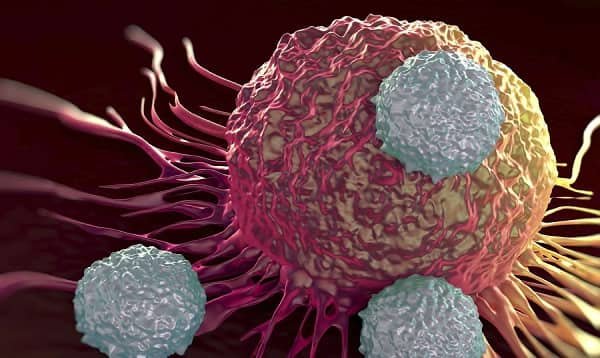
When people say ‘cancer’, they are using one word for a large family of diseases. Cancer can begin in almost any organ or tissue, including the lungs, breasts, skin, blood, bones, intestines and brain. The global burden is enormous: international estimates recorded nearly 20 million new cases and close to 10 million cancer deaths in 2022. Different cancers grow at different speeds, respond to different treatments and have different risk factors. This is why a diagnosis must always include the cancer’s type, location, stage and biological features. There is no single cancer treatment or single outcome that applies to everyone.
2. It Begins When Cells Stop Following the Body’s Rules
Healthy cells divide when new cells are needed and stop dividing when they are no longer necessary. Cancer begins when genetic changes disrupt the instructions that control growth, repair and cell death. The abnormal cells may continue multiplying, avoid normal signals and crowd out healthy tissue. These changes can arise from errors during cell division, inherited genetic changes or exposure to certain harmful substances. Cancer is therefore closely connected to genetics, but that does not mean every cancer is inherited.
3. A Tumour Is Not Always Cancer
A tumour is a mass of abnormal cells, but not every tumour is cancerous. Benign tumours usually remain in one place and do not invade distant tissues. Malignant tumours are cancerous because they can invade nearby structures and, in some cases, spread to other parts of the body. Some cancers, such as many blood cancers, do not form a solid lump at all. This is why doctors use laboratory tests, scans and tissue examination rather than judging a disease only by the presence of a swelling.
4. Cancer Can Spread, and the Original Name Usually Remains
When cancer cells break away from the place where they first formed and travel through the blood or lymphatic system, the process is called metastasis. A cancer that spreads to another organ keeps the identity of its original tissue. For example, breast cancer cells that form a tumour in the lung are still metastatic breast cancer, not lung cancer. Metastasis is one of the most serious features of cancer, but doctors can sometimes control metastatic disease for long periods with treatment tailored to the cancer’s biology.
5. Some Infections Can Increase Cancer Risk
Cancer is not contagious, but certain long-lasting infections can increase the risk of developing particular cancers. Human papillomavirus, or HPV, is linked to cervical cancer and several other cancers. Hepatitis B and hepatitis C can contribute to liver cancer, while Helicobacter pylori infection is associated with stomach cancer. This connection has led to an important prevention tool: vaccines. HPV vaccination and hepatitis B vaccination can help prevent some infection-related cancers when used according to public-health recommendations.
6. Many Cancer Risks Can Be Reduced, but Prevention Is Not Perfect
Cancer can develop even in people who follow healthy habits, and no lifestyle choice can guarantee complete protection. However, the World Health Organization estimates that roughly 30% to 50% of cancers may be preventable by reducing known risks. Important steps include avoiding tobacco, maintaining a healthy weight, staying physically active, eating a balanced diet, limiting alcohol, protecting skin from excessive ultraviolet radiation and following recommended vaccinations. Prevention lowers risk; it does not create blame when cancer occurs.
7. Age, Family History and Environment Can All Matter
Cancer risk is shaped by several factors working together. Age is important because genetic damage can accumulate over time and cellular repair may become less efficient. Family history can reveal inherited susceptibility, but most people who develop cancer do not inherit a single cancer-causing gene from a parent. Tobacco smoke, ultraviolet radiation, alcohol, air pollution, workplace exposures and some infections can also contribute. Two people with the same risk factor may not have the same outcome because biology is complex and individual susceptibility differs.
8. Screening and Early Diagnosis Are Different
Screening looks for certain cancers or precancerous changes in people who may not have symptoms. Diagnostic testing investigates a person who has symptoms or an abnormal finding. These are not the same process. Screening programmes are recommended only for particular cancers and selected age or risk groups because the benefits and possible harms must be balanced. Early diagnosis of a symptomatic cancer can improve the chance of successful treatment, while screening can sometimes find disease before symptoms appear. People should follow screening advice suited to their age, sex, family history and personal risk.
9. Cancer Treatment Is Becoming More Personalised
Cancer treatment is no longer based only on the organ where a tumour began. Doctors may study the cancer’s genes, proteins and other features to learn which treatments are most likely to work. Depending on the cancer, care may include surgery, radiation therapy, chemotherapy, hormone therapy, targeted therapy, immunotherapy or a combination of approaches. Immunotherapy is especially interesting because it helps the immune system recognise or attack cancer cells, which can sometimes hide from immune defenses. Treatment decisions remain highly individual and should be made with a qualified cancer team.
10. A Cancer Diagnosis Does Not Always Mean the Same Future
Cancer outcomes vary widely. Some cancers can be cured, especially when found early and treated appropriately. Others may be controlled for many years, becoming conditions that require ongoing care rather than an immediate threat to life. Advances in diagnosis, surgery, radiation, medicines and supportive care have improved survival for many patients. Palliative care is also important; it can relieve pain, breathing problems, fatigue and emotional distress at any stage of serious illness. It is not limited to the final days of life and can be provided alongside treatment.
Knowledge creates clarity and hope
Cancer remains one of medicine’s greatest challenges, but it is also an area of extraordinary progress. Research continues to improve prevention, early detection, personalised treatment and quality of life. The most useful message is neither false reassurance nor hopelessness: cancer is serious, but its meaning and outcome depend on its type, stage, biology and access to appropriate care.