Every second, thousands of tiny events are taking place inside you. Your heart is moving blood, your lungs are exchanging gases, your brain is interpreting signals and your immune system is quietly checking for danger. You do not have to instruct these systems one by one. They work together automatically while you walk, sleep, eat, think and dream. The human body is not a collection of separate parts; it is a living network in which organs, cells, nerves, hormones and microbes constantly communicate. A small change in one system can affect many others. From the strength of bones to the mystery of sleep, the body combines engineering, chemistry and remarkable adaptability. These ten facts explore how it is built, how it protects itself and how much activity is hidden behind ordinary actions such as breathing, blinking and healing a cut.
1. The Skin Is the Body’s Largest Organ
The skin is much more than a covering. It is the body’s largest organ by surface area and weight, forming a protective boundary between the inside of the body and the outside world. Its layers help prevent excessive water loss, block many germs, detect touch and pain, and assist with temperature control. Sweat glands help release heat, while blood vessels in the skin widen or narrow to change how much heat reaches the surface. Special cells called melanocytes produce melanin, the pigment that contributes to skin colour and helps protect cells from ultraviolet radiation. The skin also participates in vitamin D production when it is exposed to sunlight. It is constantly being repaired, renewed and influenced by the environment.
2. Adults Usually Have 206 Bones
A typical adult human skeleton contains 206 bones, although the exact number can vary slightly because some people have small extra bones or different patterns of fusion. Babies are born with about 270 bones, but several gradually join together as the body grows. Bones provide a framework for movement, protect delicate organs and store minerals such as calcium and phosphorus. They are living tissue, not dry, permanent structures. Inside many bones is bone marrow, where blood cells are produced. Bone is also continuously remodelled: old tissue is removed and new tissue is laid down. This process helps the skeleton respond to growth, exercise, age and changing physical demands.
3. The Heart Beats Around 100,000 Times a Day
The heart is a muscular pump that works continuously from before birth until the end of life. At rest, an adult heart often beats around 60 to 100 times per minute, though the rate changes with exercise, emotion, illness, sleep and medication. Over a day, that can add up to close to 100,000 beats. With every contraction, the heart sends blood through the lungs to collect oxygen and then through the body to deliver oxygen and nutrients. Blood also carries carbon dioxide and other waste products away from tissues. The heart has four chambers and valves that help keep blood moving in the correct direction. Its rhythm is coordinated by electrical signals generated within the heart itself.
4. The Body Contains an Enormous Network of Blood Vessels
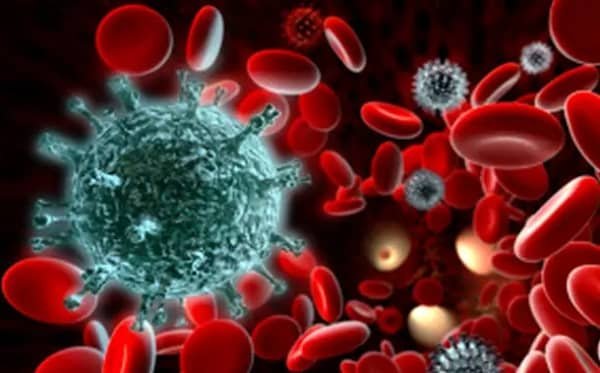
Blood travels through arteries, veins and microscopic capillaries. Large arteries carry blood away from the heart, veins return it, and capillaries form delicate exchange networks around cells. A commonly used scientific estimate places the total length of an adult’s blood vessels at roughly 100,000 kilometres if they were laid end to end. The exact figure varies with body size and the way vessels are measured, but the scale is still astonishing. Capillaries are so narrow that red blood cells often pass through them one at a time. Their thin walls allow oxygen, nutrients and waste products to move between blood and tissues. This network reaches nearly every living cell in the body.
5. The Lungs Have a Huge Surface for Gas Exchange
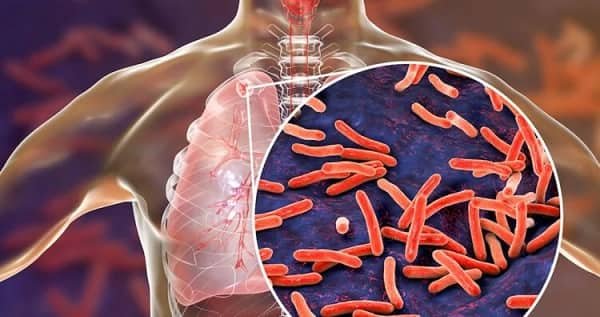
Breathing seems simple, but the lungs perform a finely organised exchange operation. Air travels through branching tubes into millions of tiny air sacs called alveoli. These sacs provide a large surface where oxygen can move into the blood and carbon dioxide can move out. If the delicate exchange surfaces inside both lungs could be spread flat, their total area is often compared with the size of a tennis court, although estimates differ depending on the method used. The right lung is slightly larger than the left because the heart occupies space on the left side of the chest. The lungs do not simply store air; they continuously adjust gas levels needed by the entire body.
6. The Brain Uses a Remarkable Amount of Energy
The adult brain makes up only a small part of total body weight, yet it uses a large share of the body’s resting energy—often estimated at about 20 percent. Brain cells require a steady supply of oxygen and glucose to maintain electrical signals, process information and communicate with one another. The brain contains billions of neurons supported by other cells called glia. Neurons send messages through electrical changes and chemical substances called neurotransmitters. Although the brain is protected by the skull and the blood-brain barrier, it remains sensitive to changes in blood flow, oxygen, temperature and sleep. Thinking, remembering and moving all depend on this constant energy supply.
7. Sleep Helps the Brain Organise and Clean Up
Sleep is not a period in which the body simply switches off. During sleep, the brain passes through organised stages that support memory, emotional processing and physical recovery. Research also shows that fluid movement through the brain’s glymphatic system becomes more active during sleep and helps clear certain waste products from the spaces around brain cells. This does not mean that one night of sleep magically removes every harmful substance, but it shows why regular, adequate sleep is important for brain health. Sleep also affects hormones, immune activity, appetite and the body’s ability to control blood sugar. Rest is therefore an active biological process, not wasted time.
8. The Liver Can Regrow After Losing Part of Its Tissue
The liver is one of the body’s most versatile organs. It helps process nutrients, stores energy, produces important blood proteins, supports digestion through bile production and breaks down many substances carried in the blood. It also has an unusual ability to regenerate. When part of a healthy liver is surgically removed or damaged, the remaining tissue can grow and restore much of the organ’s volume and function. Regeneration does not mean the liver is indestructible. Long-term damage from disease, toxins or repeated injury can overwhelm its ability to repair itself. The liver’s regenerative capacity is a powerful example of how living tissue can adapt while still requiring protection and care.
9. Trillions of Microbes Live on and Inside the Body
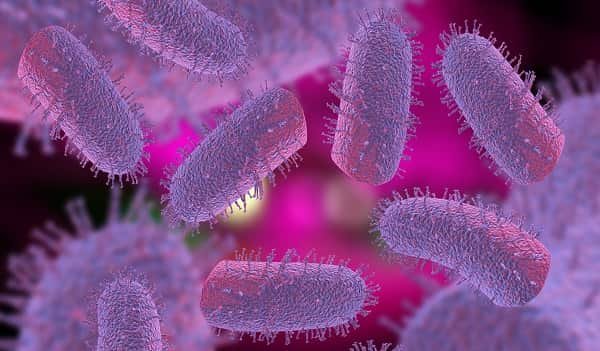
The human body is home to a vast community of bacteria, viruses, fungi and other microorganisms, together called the microbiota. The largest and best-known community lives in the digestive tract. These microbes help break down parts of food that human enzymes cannot fully digest, produce certain useful substances and interact with the immune system. The relationship is not always simple: some microbes are helpful in one setting but harmful when they enter the wrong part of the body. Diet, medicines, illness, age and environment can all influence the microbial community. The body is therefore not biologically isolated; it functions in partnership with a microscopic ecosystem.
10. The Immune System Learns from Experience
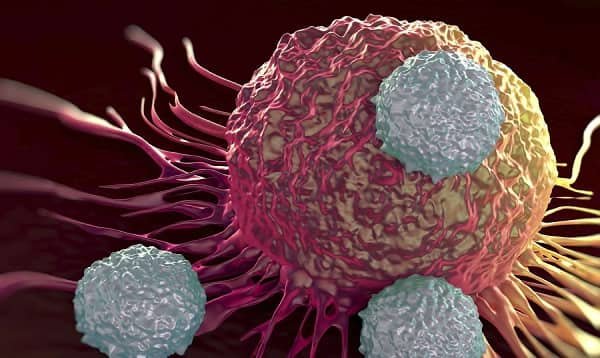
The immune system protects the body from harmful microbes and abnormal cells. It includes physical barriers such as skin and mucous membranes, fast-acting cells that respond to danger, and specialised lymphocytes that can recognise particular threats. After some infections or vaccinations, certain immune cells retain information about the foreign material they encountered. If the same threat appears again, the response may be faster and stronger. This is known as immune memory. It is not perfect protection against every infection, and immunity can weaken or change over time, but the ability to learn gives the body an important advantage. The immune system is both a shield and a biological record of past encounters.
A Living System of Constant Cooperation
The human body is extraordinary not because one organ works alone, but because millions of processes remain connected and coordinated. Bones provide structure, the heart and blood vessels deliver supplies, the lungs exchange gases, the brain directs activity, and the immune system guards against threats. At the same time, the skin, liver, microbes and sleep systems quietly maintain balance. Much of this work happens without conscious effort, yet it depends on delicate cooperation and constant adjustment. Learning about the body does more than satisfy curiosity. It helps us understand why sleep, nutrition, movement, hygiene and medical care matter. Beneath every ordinary human action is a remarkable biological story still being studied by science.