Tuberculosis has travelled through human history under names such as consumption and the white plague, yet it is not simply an illness of the past. It remains one of the world’s most important infectious diseases. What makes TB unusual is its ability to spread silently, remain inactive for years and then become dangerous when the body can no longer contain it. At the same time, modern testing, preventive treatment and carefully selected combinations of medicines can stop transmission and save lives. These ten facts explain how TB behaves, why it is often misunderstood and why early diagnosis and complete treatment matter so much.
1. TB Is Caused by a Bacterium, Not a Virus
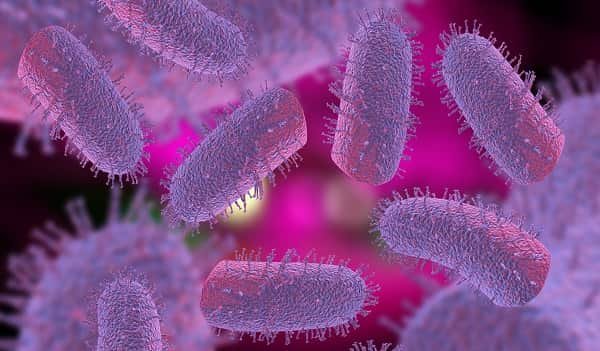
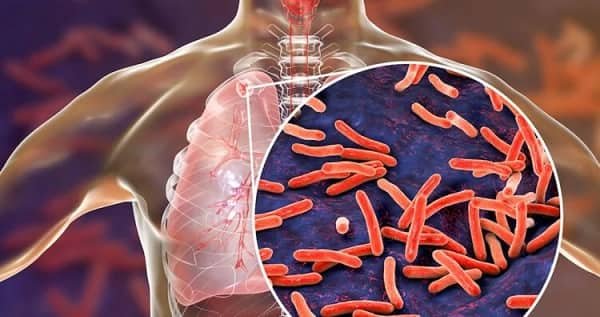
Tuberculosis is usually caused by Mycobacterium tuberculosis, a slow-growing bacterium with a distinctive protective cell wall. The germ most often attacks the lungs, producing pulmonary TB, but it can affect almost any part of the body. TB may develop in the lymph nodes, bones, spine, kidneys or brain. Symptoms therefore depend partly on where the bacteria are growing. Spinal TB can cause back pain, for example, while TB meningitis may cause headache or confusion. This ability to move beyond the lungs makes TB a disease of the whole body, not merely a severe cough.
2. TB Spreads Through the Air
A person with infectious TB of the lungs or throat can release bacteria into the air by coughing, speaking or singing. Other people may become infected when they breathe air containing those germs, particularly after prolonged exposure in a poorly ventilated indoor space. TB is not normally spread by shaking hands, touching surfaces, sharing food or using the same dishes. This distinction matters because fear and misinformation can lead to unnecessary rejection of patients. Good ventilation, appropriate masks in health-care settings, prompt diagnosis and effective treatment are more useful than avoiding ordinary surface contact.
3. Infection and Active Disease Are Not the Same
After entering the body, TB bacteria do not always cause immediate illness. The immune system may contain the germs in an inactive state, often called latent TB infection. A person with inactive TB has no symptoms and cannot spread the bacteria to others. Active TB disease develops when the bacteria multiply and begin damaging tissue. It may appear soon after infection or years later. Without preventive treatment, roughly one in ten people with inactive TB will eventually develop active disease, although the risk is higher in people whose immune defences are weakened.
4. A Large Part of the World Has Been Infected
The World Health Organization estimates that about one-quarter of the global population has been infected with TB bacteria. That does not mean one-quarter of all people are sick or contagious. Most infected people never develop active disease. The figure instead reveals how widely the bacterium has circulated and how large the pool of inactive infection remains. People with inactive TB can be tested and, when appropriate, offered preventive medicine. Treating infection before it progresses is an important part of reducing future illness, especially among close contacts and people at increased medical risk.
5. The Symptoms Can Begin Gradually
Pulmonary TB may cause a persistent cough, chest pain and coughing up sputum or blood. Other common warning signs include fever, night sweats, tiredness, reduced appetite and unexplained weight loss. However, the illness can develop slowly. Early symptoms may seem mild enough to blame on stress, a routine respiratory infection or poor nutrition. Some people therefore continue normal activities while becoming increasingly unwell. A cough lasting several weeks, particularly when combined with fever, night sweats, weight loss or known exposure to TB, deserves medical assessment rather than repeated self-treatment.
6. A Skin or Blood Test Cannot Alone Confirm Active TB
A tuberculin skin test or an interferon-gamma release assay blood test can show that the immune system has encountered TB bacteria. A positive result does not by itself reveal whether the infection is inactive or has become active disease. Doctors may also use a medical examination, chest imaging and laboratory testing of sputum or other samples. Rapid molecular tests can detect genetic material from TB bacteria and may identify resistance to important medicines. Diagnosis is therefore a process of combining evidence, not relying on one result. People vaccinated with BCG are often offered a blood test because BCG can affect skin-test results.
7. TB Is Preventable and Usually Curable
Despite its deadly reputation, drug-susceptible TB can usually be cured with the correct combination of medicines. Treatment uses several drugs because a single medicine may leave naturally resistant bacteria alive. Depending on the patient, disease site and recommended regimen, treatment commonly lasts several months. Symptoms may improve well before every bacterium has been eliminated, but stopping early is dangerous. Completing the full course protects the patient from relapse and reduces the chance of continued transmission or drug resistance. Health workers may use reminders, counselling or supervised support to help patients finish treatment safely.
8. Drug-Resistant TB Can Also Spread Between People
Drug-resistant TB is sometimes described only as the result of patients not taking medicines properly, but the story is more complicated. Resistance can emerge when treatment is incomplete, incorrectly prescribed or poorly supplied. A person can also inhale bacteria that are already resistant and develop drug-resistant TB from the beginning. Laboratory testing is essential for choosing medicines that are likely to work. Newer all-oral regimens have shortened treatment for some forms of resistant TB, but care remains more complex. Reliable drug supplies, accurate testing and respectful patient support are central to preventing resistance.
9. TB and HIV Form a Particularly Dangerous Combination
HIV weakens the immune system, making it harder for the body to keep TB bacteria inactive. As a result, people living with HIV have a much greater risk of developing active TB. TB is also a major cause of death among people with HIV worldwide. The danger can be sharply reduced through HIV testing, antiretroviral treatment, TB screening and preventive TB therapy when indicated. Patients who have both conditions need coordinated care because treatment timing, drug interactions and side effects must be managed carefully. Finding either infection is therefore an opportunity to test for and address the other.
10. The BCG Vaccine Has an Important but Limited Role
The Bacille Calmette-Guérin, or BCG, vaccine has been used for more than a century and is routinely given to infants in many countries with a high TB burden. It is particularly valuable for protecting young children against severe forms of TB, such as TB meningitis. However, its protection against pulmonary TB in adolescents and adults varies, so vaccination cannot replace testing, ventilation, contact investigation and effective treatment. BCG may also cause a positive tuberculin skin-test reaction. TB blood tests are not affected in the same way, which is why they are often preferred for people who have received BCG.
Tuberculosis succeeds partly because it can hide: in the air, behind mild early symptoms and inside the body as an inactive infection. The response must therefore combine medical science with public understanding. Recognising symptoms, testing people at risk, treating inactive infection when recommended and completing every prescribed dose can interrupt the chain of transmission. TB remains serious, but it is neither mysterious nor hopeless. With timely care and strong public-health systems, it can be prevented, treated and cured.