Few medical terms carry as much history, fear and misunderstanding as HIV and AIDS. Yet the scientific story today is dramatically different from the one the world first encountered in the early 1980s. HIV can now be detected sooner, controlled with highly effective medicines and prevented through several proven methods. People receiving successful treatment can live long, healthy lives, build relationships and have families. The greatest remaining dangers are often late diagnosis, unequal access to care and the stigma that discourages honest conversation. These ten facts explain what HIV does, how it spreads and why knowledge has become one of the strongest tools against it.
1. HIV and AIDS Are Not the Same Thing
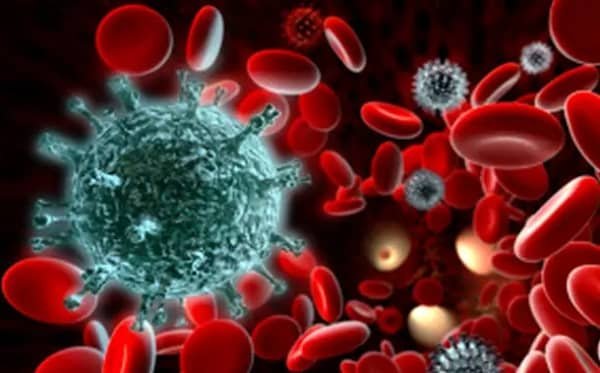
HIV stands for human immunodeficiency virus. It attacks the immune system, particularly CD4 cells that help coordinate the body’s response to infections. AIDS, or acquired immunodeficiency syndrome, is the most advanced stage of untreated HIV infection. A person can have HIV without having AIDS, and effective treatment can prevent the infection from ever reaching that stage. This distinction is important because the combined expression “HIV/AIDS” sometimes makes the two sound interchangeable. HIV is the virus and lifelong infection; AIDS describes a serious clinical condition that may develop when immune damage becomes severe.
2. HIV Builds Itself Into the DNA of Certain Cells
HIV is a retrovirus. After entering a suitable immune cell, it converts its genetic information into DNA and inserts that DNA into the cell’s own genetic material. The infected cell can then produce more virus. Some infected cells become quiet and form a latent reservoir that is not eliminated by current antiretroviral medicines. This hidden reservoir is one of the main reasons treatment controls HIV but does not normally cure it. If therapy is stopped, virus from these long-lived cells can become active again, allowing the amount of HIV in the blood to rise.
3. A Person May Have HIV Without Feeling Ill
Soon after infection, some people develop fever, rash, sore throat, swollen lymph nodes or other flu-like symptoms. Others notice nothing unusual. The infection may then enter a long period in which the person looks and feels healthy even though HIV continues affecting the immune system. Symptoms cannot therefore confirm or exclude HIV. Without treatment, progressive immune damage can eventually allow infections and cancers that a healthy immune system would usually control. Beginning treatment early protects the immune system, but that opportunity depends on testing rather than waiting for obvious illness.
4. HIV Does Not Spread Through Everyday Contact
HIV can be transmitted through specific body fluids, including blood, semen, vaginal fluids, rectal fluids and breast milk. Common routes include sex without effective prevention, sharing contaminated injection equipment, and transmission during pregnancy, birth or breastfeeding. HIV is not spread by hugging, shaking hands, sharing food, using the same toilet, coughing or ordinary social contact. It is also not transmitted through sweat, tears or mosquito bites. The virus does not survive or reproduce inside mosquitoes, and they do not inject another person’s blood when they bite. Understanding these limits is essential for ending needless fear and discrimination.
5. Testing Has a Window Period
No HIV test can detect infection immediately after exposure. The interval before a test can reliably identify HIV is called the window period, and it differs by test type. Nucleic acid tests can usually detect the virus earliest, followed by laboratory antigen-and-antibody tests and then antibody-only tests. A negative result taken too soon may therefore need to be repeated after the relevant window period. Modern self-tests have improved privacy and access, but a reactive self-test requires confirmation by a healthcare service. Testing is the only reliable way to know one’s HIV status and begin suitable care or prevention.
6. Treatment Has Turned HIV Into a Manageable Condition
Antiretroviral therapy, usually called ART, uses medicines that block different stages of the virus’s life cycle. When taken as prescribed, ART can reduce the viral load—the amount of HIV in the blood—to extremely low levels. This allows CD4 cells and the immune system to recover and greatly lowers the risk of HIV-related illness. Treatment is recommended as soon as possible after diagnosis and must be continued. It does not remove every hidden copy of the virus, but it has transformed HIV from a rapidly progressive and often fatal infection into a long-term condition that many people can manage successfully.
7. Undetectable HIV Is Sexually Untransmittable
One of the most important discoveries in modern HIV medicine is expressed as U=U: Undetectable Equals Untransmittable. A person living with HIV who takes treatment and maintains an undetectable viral load has zero risk of transmitting HIV to sexual partners. Large studies involving thousands of couples observed no linked sexual transmissions when viral suppression was maintained. Regular viral-load testing is necessary to confirm that suppression continues. U=U protects health, supports confident relationships and challenges decades of stigma. It does not, however, prevent other sexually transmitted infections, so broader sexual-health care remains important.
8. Medicines Can Prevent HIV Before or After Exposure
HIV prevention is no longer limited to condoms and avoiding shared needles, although both remain valuable. Pre-exposure prophylaxis, or PrEP, is medicine taken by an HIV-negative person before possible exposure. When used as prescribed, it greatly reduces the chance of acquiring HIV. Post-exposure prophylaxis, or PEP, is an emergency course of antiretroviral medicine used after a possible exposure. It must be started as soon as possible and no later than 72 hours afterwards; every hour matters. PEP is generally taken for 28 days. People with ongoing risk may be better served by PrEP and regular medical follow-up.
9. Treatment Can Protect Babies From HIV
HIV can pass from a parent to a baby during pregnancy, labour, delivery or breastfeeding, but transmission is not inevitable. Testing during pregnancy, effective antiretroviral treatment, viral-load monitoring and appropriate care for the baby can reduce the risk dramatically. In settings with full access to treatment and medical guidance, transmission during pregnancy and birth can be reduced to one per cent or less. Recommendations about delivery and infant feeding differ according to viral load, available healthcare and national guidance. This progress shows how HIV treatment protects two generations at once while allowing people with HIV to plan families safely.
10. There Is No Widely Available Cure, but Research Is Advancing
Current treatment cannot eliminate the latent HIV reservoir, and no preventive vaccine is yet available for routine use. A very small number of people have achieved long-term HIV remission after specialised stem-cell transplants performed to treat life-threatening cancers. These procedures are risky and are not a practical cure for most people, but they prove that lasting remission is biologically possible. Researchers are investigating antibodies, therapeutic vaccines, gene editing, long-acting medicines and strategies that expose or permanently silence hidden virus. Until a safe cure is found, early diagnosis, continuous treatment and proven prevention offer powerful control.
The modern facts about HIV are more hopeful than many old impressions. The infection is preventable, testing is increasingly accessible, and treatment can protect both health and sexual partners. A diagnosis should lead to care, not blame or isolation. The science behind ART, U=U, PrEP and PEP has changed what is possible; the next challenge is making those benefits available to everyone. Clear information does more than correct myths. It encourages testing, supports treatment and replaces fear with decisions grounded in evidence and respect.