Sodium is hiding in ordinary moments: the pinch of salt in a meal, the electrical signals travelling through your nerves, the fluid balance inside your cells and the bright yellow glow of some street lamps. It is a soft, reactive metal that cannot safely sit in an open kitchen, yet one of its compounds—sodium chloride—is essential to cooking and human life. Sodium can preserve food, soften water, melt ice and help industries manufacture glass, paper and chemicals. Too little can disturb the body, while too much in the diet can raise health risks. These ten facts explore sodium’s chemistry, biological importance, everyday uses and the reason this familiar element deserves respect.
1. Sodium Is Element Number 11
Every sodium atom has 11 protons in its nucleus, giving the element its atomic number and identity. Its chemical symbol is Na, from the Latin name natrium. Sodium belongs to the alkali-metal group of the periodic table, alongside lithium, potassium and other highly reactive elements. It has one outer electron that it can lose easily, usually forming a positively charged sodium ion. This simple electronic arrangement explains much of sodium’s energetic chemistry and its tendency to form compounds with non-metals such as chlorine.
2. Pure Sodium Metal Is Extremely Reactive
Sodium is a soft, silvery metal, but it quickly tarnishes in air and reacts vigorously with water. During the reaction, sodium forms sodium hydroxide and releases hydrogen gas and heat. If enough heat is produced, the hydrogen may ignite. For safety, pure sodium is stored under oil or another liquid that keeps air and moisture away. This is why the sodium in a salt shaker is not a piece of metal. It is sodium already chemically bonded to chlorine, forming the much more stable compound sodium chloride.
3. Sodium Chloride Is Common Table Salt
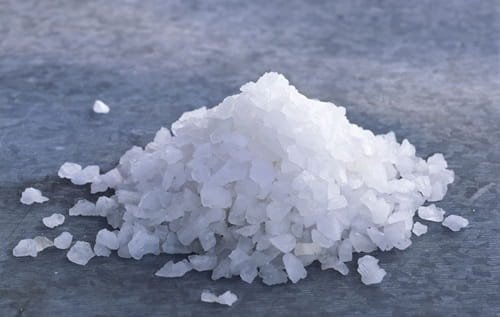
When sodium reacts with chlorine, it forms sodium chloride, or NaCl. The two elements have very different properties: sodium is a reactive metal and chlorine is a poisonous gas, but together they form a stable crystalline solid used as table salt. Salt improves flavour and has been used for preservation for thousands of years because it draws water away from many microorganisms. Sea salt, rock salt and table salt may differ in texture and processing, but their main chemical ingredient is still sodium chloride.
4. Sodium Is Essential for Nerves and Muscles
The sodium ion is vital for the electrical activity of nerve cells. Nerves maintain different concentrations of sodium and other ions inside and outside their membranes. When a nerve signal begins, sodium ions move through specialised channels, changing the electrical charge of the cell. This helps messages travel along nerves. Sodium also contributes to muscle contraction, including the regular beating of the heart. The body controls sodium carefully through the kidneys, hormones and thirst. It is an essential nutrient, but essential does not mean unlimited amounts are healthy.
5. Sodium Helps Control Body Fluids
Sodium is the main positively charged ion in the fluid outside cells. It helps regulate how water is distributed between blood, tissues and cells. It also supports blood volume and helps the body maintain a stable internal environment. If sodium levels in the blood become too low or too high, water can move between compartments in harmful ways and affect the brain and muscles. Serious imbalances may result from illness, certain medicines, heavy sweating or excessive water intake. Medical treatment depends on the cause, so people should not take salt or sodium supplements without advice.
6. The Body Needs Less Sodium Than Many People Eat
Sodium is necessary, but modern diets often contain far more than the body requires. Much of the excess does not come from the salt shaker; it comes from packaged foods, sauces, instant meals, breads, processed meats, salty snacks and restaurant dishes. The World Health Organization recommends that adults consume less than 2,000 milligrams of sodium per day, equivalent to less than 5 grams of salt. High sodium intake can contribute to raised blood pressure and increase the risk of cardiovascular and kidney disease. Reading labels and choosing less processed foods can make a meaningful difference.
7. Salt and Sodium Are Not the Same Thing
Salt and sodium are related but not identical. Table salt is sodium chloride, and sodium makes up only part of its weight. In general, 1 gram of sodium chloride contains about 400 milligrams of sodium. Food labels usually list sodium rather than total salt, so shoppers must understand the difference. A product labelled “low salt” may still contain sodium from other ingredients, while monosodium glutamate, baking soda and sodium preservatives also contribute to total intake. Checking the whole ingredient list is more useful than judging a food only by taste.
8. Sodium Produces a Bright Yellow Flame
When sodium compounds are heated, sodium atoms emit a strong yellow-orange light. This happens because heat excites electrons to higher energy levels; when they return to lower levels, they release light of particular wavelengths. The colour is so distinctive that chemists use a flame test to help identify sodium. Street lamps once commonly used sodium-vapour technology, producing a characteristic yellow glow. Sodium’s light-emitting behaviour also demonstrates a direct link between atomic structure and the colours we observe.
9. Sodium Compounds Have Many Industrial Uses
The metal itself is used in specialised applications, including some heat-transfer systems and chemical reactions. Sodium compounds are even more widely used. Sodium carbonate, commonly called washing soda, helps soften water and is important in glass manufacture. Sodium bicarbonate is used in baking, cleaning and some fire-extinguishing systems. Sodium hydroxide is used to make soaps, paper and other chemicals. Sodium compounds also appear in medicines, food processing, textiles and water treatment. Their properties change according to the other elements attached to sodium.
10. Sodium Can Be Useful and Harmful at the Same Time
Sodium illustrates an important scientific lesson: the effect of a substance depends on its form, amount and context. Pure sodium metal is dangerous around water, while sodium chloride is a normal food ingredient. The body needs sodium for nerves and fluid balance, but long-term excess can raise blood pressure. Salt can preserve food, yet heavily salted processed foods may contribute to an unhealthy diet. Responsible use means understanding chemistry rather than calling a substance simply “good” or “bad”. Moderation, label reading and medical advice are especially important for people with high blood pressure, kidney disease or heart problems.
Sodium may seem like a simple ingredient in a salt shaker, but it is a remarkable element with two very different personalities. As a metal, it is soft and intensely reactive; as an ion, it helps nerves, muscles and body fluids function; in compounds, it supports cooking, industry, medicine and technology. The healthiest relationship with sodium is one of balance. We need enough for normal physiology, but most people benefit from limiting hidden sodium in processed foods. Understanding the element makes everyday choices—and the chemistry behind them—much clearer.