When daylight fades, the world does not simply switch off. Night opens a different chapter of life. The sky becomes a dark canvas for the Moon and stars, nocturnal animals begin to move, plants change their chemistry and the human body prepares for sleep. Darkness can feel quiet, but it is filled with signals: wings beating above a garden, insects calling from grass, city lights reflecting from clouds and distant stars sending ancient light across space. Night has shaped calendars, stories, religions, science and human imagination for thousands of years. These ten fascinating facts explore what happens to Earth, nature and our bodies after the Sun disappears below the horizon.
1. Night Happens Because Earth Rotates
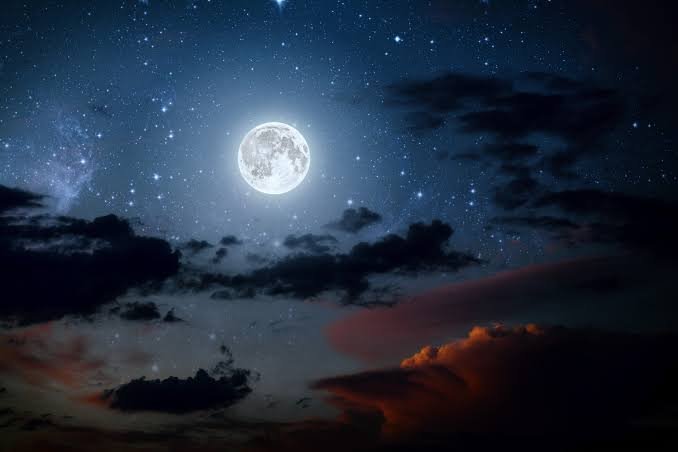
Night is created by Earth’s rotation, not because the Sun stops shining. Earth turns on its axis once approximately every 24 hours. The side facing the Sun experiences daylight, while the side turned away lies in darkness. As Earth rotates, different regions move into and out of sunlight. This simple movement produces the daily cycle of morning, afternoon, evening and night. Night length changes during the year because Earth’s axis is tilted and the planet moves around the Sun. Near the equator, day and night remain relatively similar in length, while the difference becomes much greater toward the poles.
2. Night Is Not Completely Dark
Even on a moonless night, darkness is rarely absolute. Starlight, airglow, planets, lightning, distant fires and artificial lighting can provide faint illumination. The Moon reflects sunlight and can make a landscape surprisingly bright when it is full. In some places, the sky may glow green, red or purple during an aurora caused by charged particles interacting with Earth’s upper atmosphere. Human eyes also become more sensitive after spending time in darkness. What first appears completely black may slowly reveal trees, buildings and paths as the eyes adjust.
3. The Night Sky Lets Us Look into the Past
Light travels at a finite speed, so the stars and galaxies we see are not shown exactly as they are now. We see them as they were when their light began its journey. Moonlight reaches Earth in a little over a second, while sunlight takes about eight minutes. Light from nearby stars may take years to arrive, and light from distant galaxies may have travelled for millions or billions of years. Looking at the night sky is therefore a form of looking back through time. Telescopes make this time window deeper and reveal the history of the universe.
4. Many Animals Are Designed for Night Life
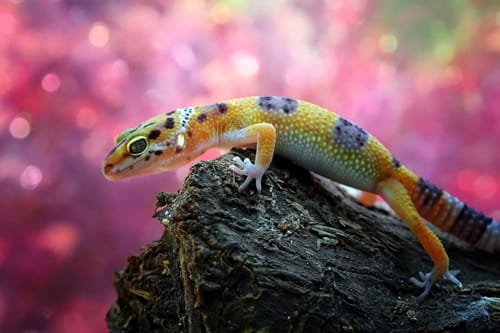
Nocturnal animals are active mainly at night. Owls use large eyes and sensitive hearing to locate prey, bats use echolocation, and many insects follow smells or faint light sources. Cats, foxes, rodents, frogs and some snakes also use darkness to hunt, feed or avoid predators. Night can offer cooler temperatures and less competition from daytime animals. Some creatures have reflective layers behind their retinas that improve low-light vision; this is why an animal’s eyes may shine when caught in a torch beam. Others rely more on touch, sound or smell than sight.
5. Plants Change Their Behaviour at Night
Plants do not sleep in the human sense, but many show daily biological rhythms. Some flowers open after sunset to attract moths and bats, while others close their petals to protect pollen or conserve moisture. Leaves may droop or change position during the night, then rise again in the morning. Plant cells use internal clocks to coordinate growth, hormone release and photosynthesis. Darkness also allows plants to use stored sugars and carry out processes that do not require sunlight. The night is therefore an active period in a plant’s life, not an empty pause.
6. Human Sleep Is Guided by Darkness and Light
The human body has an internal timing system called the circadian rhythm. Light entering the eyes helps set this clock, influencing alertness, body temperature, hormone release and sleepiness. In natural darkness, the brain usually increases production of melatonin, a hormone associated with preparing the body for sleep. Bright light from phones, televisions and strong indoor lamps late at night can delay this signal in some people. A regular sleep schedule, a darker bedroom and morning daylight can help the body keep a steadier rhythm.
7. Night Changes the Human Brain and Senses
As people become tired, attention, reaction time, judgement and memory can weaken. This is one reason driving or operating machinery while sleepy is dangerous. At the same time, quiet darkness may encourage reflection and creativity because there are fewer daytime interruptions. Some people feel calmer at night, while others experience greater anxiety when familiar surroundings become difficult to see. The emotional effect of night depends on personality, past experiences, safety, culture and sleep quality. Darkness itself is not automatically frightening; uncertainty often creates the fear.
8. Artificial Light Has Transformed the Night
Electric lighting has made streets, homes, hospitals and workplaces safer and more productive after sunset. However, excessive artificial light creates light pollution. Bright skyglow can hide stars, disturb migrating birds and insects, and interfere with the behaviour of nocturnal animals. It can also make it harder for people to experience a naturally dark sleep environment. Shielded lights, warmer-coloured bulbs, motion sensors and switching off unnecessary lamps can reduce wasted light. Good lighting is not simply bright lighting; it is light used in the right place, at the right time and at the needed level.
9. The Moon Makes Every Night Different
The Moon changes the appearance of night as it moves through its phases. A new Moon is difficult to see because its sunlit side faces away from Earth, while a full Moon reflects much more sunlight toward us. The Moon’s gravity also contributes to ocean tides, which influence coastal animals and human activities. Some species time feeding, breeding or migration according to the lunar cycle. Moonlight can help predators hunt and prey detect danger, so a bright full-Moon night may change animal behaviour compared with a dark one.
10. Night Has Driven Human Culture and Discovery
People have used the night sky to create calendars, navigate oceans, mark seasons and tell stories about gods, heroes and animals. Ancient observers tracked the movement of stars and planets long before modern telescopes. Today astronomers use observatories in dark locations to study distant worlds, black holes, nebulae and the early universe. Night has also inspired music, poetry, painting, cinema and religious traditions. By looking carefully into darkness, humans learned not only about the sky but also about time, direction and their place in a much larger cosmos.
Night is not the absence of life or activity. It is a moving boundary created by Earth’s rotation, a shelter for nocturnal creatures, a biological signal for the human body and a window into deep space. Darkness allows stars to appear, helps many animals survive and gives the planet a period of rest and change. Modern lighting has brought enormous benefits, but protecting some natural darkness is equally valuable. The next time night arrives, look beyond the silence: an entire world is still working, moving, growing and watching the sky.