Kayamkulam Junction is one of the important railway stations in Kerala’s Alappuzha district. It serves Kayamkulam town and nearby areas, and it is useful for passengers travelling towards Thiruvananthapuram, Kollam, Ernakulam, Alappuzha, Kottayam, Thrissur, Kozhikode, Kannur, Mangaluru and other major routes. For daily passengers, students, office workers, families, pilgrims and long-distance travellers, Kayamkulam Junction works as a strong railway connection point in southern Kerala.
The official station code of Kayamkulam Junction is KYJ. The station comes under the Southern Railway zone and falls under the Thiruvananthapuram railway division. It has 5 platforms and around 6 tracks. The station is important because it stands at the meeting point of routes towards Thiruvananthapuram via Kollam, Ernakulam via Alappuzha, and Ernakulam via Kottayam.
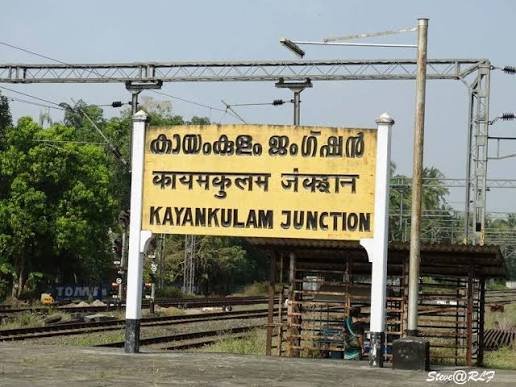
Overview of Kayamkulam Junction
| Detail | Information |
| Station Name | Kayamkulam Junction |
| Station Code | KYJ |
| Town | Kayamkulam |
| District | Alappuzha |
| State | Kerala |
| Railway Zone | Southern Railway |
| Railway Division | Thiruvananthapuram Division |
| Station Category | NSG-3 category station |
| Number of Platforms | 5 platforms |
| Number of Tracks | Around 6 tracks |
| Important Lines | Ernakulam–Alappuzha–Kayamkulam line, Ernakulam–Kottayam–Kollam line |
| Nearby Areas | Kayamkulam town, KP Road side, Krishnapuram, Oachira route, Mavelikara route |
| Main Facilities | Parking, ticket counters, platform shelters, waiting areas, Wi-Fi, passenger movement facilities and local transport access |
Kayamkulam Junction Station Code
The station code of Kayamkulam Junction is KYJ. This code is used for train ticket booking, live train running status, PNR enquiry, reservation chart checking and train schedule searches.
Passengers should not confuse Kayamkulam Junction with nearby stations such as Oachira, Karunagappally, Mavelikara, Haripad or Chengannur. These stations serve different towns and routes. For the main railway station of Kayamkulam, the correct station code is KYJ.
Kayamkulam Junction is especially useful because trains moving through both the Alappuzha coastal route and the Kottayam route connect around this section.
Location of Kayamkulam Junction
Kayamkulam Junction is located in Kayamkulam, Alappuzha district, Kerala. The station is near the Kayamkulam–Punalur Road side, making it useful for passengers coming from Kayamkulam town, nearby residential areas, local markets, Krishnapuram side, Oachira route and Mavelikara side.
Local autos, taxis, private vehicles and buses are generally available around the station area. Passengers can travel from the station towards Kayamkulam town, Krishnapuram Palace side, Oachira, Mavelikara, Haripad and nearby local routes.
For many passengers in this part of Kerala, Kayamkulam Junction is a convenient boarding point because it connects both coastal and inland railway routes.
Railway Zone and Division
Kayamkulam Junction comes under the Southern Railway zone and the Thiruvananthapuram railway division. The station is listed as an NSG-3 category station, which shows its passenger importance within the division.
Its location gives it proper junction value. One side connects towards Kollam and Thiruvananthapuram, while the northern side splits towards Ernakulam through Alappuzha and Ernakulam through Kottayam. This makes Kayamkulam Junction important for passengers travelling across south and central Kerala.
Platforms at Kayamkulam Junction
Kayamkulam Junction has 5 platforms and around 6 tracks. These platforms handle passenger trains, express trains, MEMU services and long-distance train movement.
Platform use depends on the train route. Trains towards Ernakulam may go through either the Alappuzha side or the Kottayam side, while southbound trains move towards Kollam, Thiruvananthapuram, Nagercoil and Kanyakumari side. Because route direction matters here, passengers should always check the display boards and listen to announcements before moving to the platform.
Platform numbers may change due to late-running trains, route adjustments, maintenance work or operational needs. Passengers with luggage, elderly family members or children should reach early, especially during busy travel seasons.
Gates and Entry Points at Kayamkulam Junction
Kayamkulam Junction does not have metro-style fixed numbered gates commonly mentioned in metro station articles. For passengers, the practical reference is the main station building and circulating area.
The main entry side is useful for ticket counters, platform access, parking, local transport and passenger movement. Since the station serves both daily passengers and long-distance travellers, the entrance area can become busy during peak train timings.
Passengers should keep extra time during festival seasons, weekends, vacation periods and evening train hours, especially if they are travelling towards Thiruvananthapuram, Ernakulam or long-distance routes.
Facilities at Kayamkulam Junction
Kayamkulam Junction has useful passenger facilities such as parking, ticketing support, platform shelters, waiting areas, drinking water, toilets, passenger movement access and local transport availability. Public station details also mention that parking is available and that the station is electrified.
Wi-Fi was introduced at Kayamkulam Junction in 2018, making the station more useful for passengers who need internet access while waiting for trains.
For regular passengers, the most important facilities are clear train announcements, proper platform information, waiting space, ticket counters, toilets, drinking water and easy access to local transport outside the station.
History and Junction Importance
Kayamkulam’s railway importance grew in stages. The rail link came into existence in 1958 when the Kollam railway line was inaugurated. Later, the station became a proper junction in 1992 when the rail link through the Alappuzha route to Ernakulam was opened.
This history explains why Kayamkulam Junction is important today. It connects two major northbound Kerala routes: one through Alappuzha and another through Kottayam. Both routes finally connect towards Ernakulam, but they serve different towns and passenger needs.
Train Connectivity from Kayamkulam Junction
Kayamkulam Junction has strong railway connectivity. Passengers can travel towards Thiruvananthapuram, Kollam, Ernakulam, Alappuzha, Kottayam, Thrissur, Kozhikode, Kannur, Mangaluru, Nagercoil and Kanyakumari-side routes.
The station is also useful for passengers choosing between the coastal Alappuzha route and the Kottayam route. This makes it a practical junction for travel planning within Kerala.
Indian Railways has also sanctioned surveys for increasing train speeds up to 160 km/h on several Kerala routes, including Ernakulam–Kayamkulam and Thiruvananthapuram–Kayamkulam. This shows the continuing importance of Kayamkulam in Kerala’s future railway planning.
Passenger Importance of Kayamkulam Junction
Kayamkulam Junction is important because it serves passengers from Kayamkulam town, nearby villages and surrounding areas of Alappuzha and Kollam districts. Many people use this station for work, education, business, medical travel, temple visits, family journeys and long-distance train travel.
The station is also useful for people going towards nearby places such as Oachira, Krishnapuram, Mavelikara, Haripad and Karunagappally. Since Kerala has heavy rail dependence for intercity travel, Kayamkulam Junction remains busy during regular commuting hours and holiday seasons.
Connectivity Around Kayamkulam Junction
Local connectivity around Kayamkulam Junction is practical. Autos, taxis, buses and private vehicles are generally available near the station. Passengers can travel from the station towards Kayamkulam town, KP Road side, Krishnapuram, Oachira route, Mavelikara route, Haripad side and nearby local areas.
During late-night arrivals, passengers should plan local transport carefully, especially if they need to go to smaller villages or distant areas. During daytime and regular train hours, transport availability is usually better.
Nearby Places from Kayamkulam Junction
Important nearby areas include Kayamkulam town, KP Road side, Krishnapuram area, Oachira route, Mavelikara route, Haripad side, local markets, hotels, food shops and transport points.
For travellers, Kayamkulam Junction is useful for reaching nearby cultural, religious and local destinations. It is also a good rail access point for people travelling between south Kerala and central Kerala.
FAQs on Kayamkulam Junction
Q: Which route should passengers check carefully at Kayamkulam Junction?
A: Passengers should carefully check whether their train goes via Alappuzha route or Kottayam route, because both routes connect north Kerala but pass through different stations.
Q: Is Kayamkulam Junction better for passengers going to Oachira?
A: Yes. Kayamkulam Junction is a practical railway point for passengers going towards Oachira, especially if they are arriving by long-distance train and then taking local road transport.
Q: Why is Kayamkulam Junction important for Kerala train travel?
A: Kayamkulam is important because it connects south Kerala with two major northbound routes — one through Alappuzha and another through Kottayam.
Q: Can passengers change trains at Kayamkulam Junction for different Kerala routes?
A: Yes. Many passengers use Kayamkulam Junction for changing trains between Thiruvananthapuram, Kollam, Alappuzha, Kottayam and Ernakulam-side routes.
Q: Is Kayamkulam Junction useful for long-distance trains?
A: Yes. Several long-distance trains pass through Kayamkulam, making it useful for passengers travelling from southern Kerala to other states.
Q: What should first-time passengers be careful about at Kayamkulam Junction?
A: First-time passengers should check the route and platform properly, because trains towards Ernakulam may run through different sides depending on whether they take the Alappuzha or Kottayam line.