A cough, a fever and a few words on the internet once became powerful enough to change how the world worked. COVID-19 affected homes, hospitals, schools, businesses and scientific laboratories, but the biology behind it is just as remarkable as its social impact. The virus exposed the importance of clean air, public health and medical research while teaching millions of people new words such as variants, antibodies and Long COVID. Here are ten carefully researched facts that explain what makes COVID-19 unusual and why it still deserves informed attention.
1. COVID-19 and SARS-CoV-2 are not the same name
COVID-19 is the name of the disease. SARS-CoV-2 is the name of the virus that causes it. The word COVID combines ‘coronavirus disease’, while the number 19 refers to 2019, the year in which the illness was first recognised. This distinction matters because a virus and the disease it causes are not identical. Saying that someone has SARS-CoV-2 refers to the infection, while COVID-19 describes the resulting illness. The virus belongs to the coronavirus family, which includes several viruses that cause respiratory infections in humans.
2. It is a coronavirus, not a type of influenza
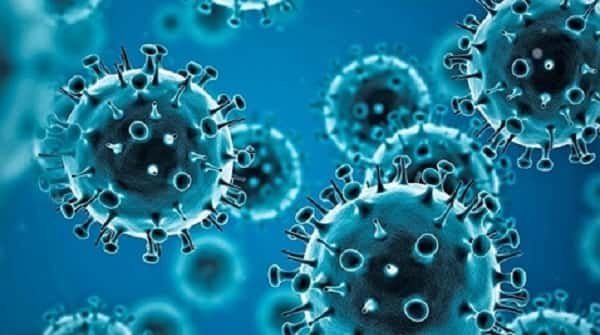
COVID-19 and influenza can produce similar symptoms, but they are caused by different viruses. Influenza is caused by influenza viruses, while COVID-19 is caused by SARS-CoV-2. Coronaviruses are named for the crown-like protein spikes on their surface, which can be seen under powerful microscopes. These spikes help the virus attach to human cells. The similarity between flu and COVID-19 is a reminder that symptoms alone cannot always identify the cause of an illness; testing and medical assessment may be needed.
3. The virus spreads mainly through the air
SARS-CoV-2 spreads when an infected person breathes out respiratory particles while breathing, speaking, singing, coughing or sneezing. Other people may inhale these particles, or they may reach the eyes, nose or mouth. Risk is generally higher during close contact and in crowded or poorly ventilated indoor spaces, where particles can accumulate. This is why fresh air, good ventilation, staying away from people who are ill and a properly fitted mask in high-risk situations can help reduce exposure.
4. A person can spread it without feeling sick
One of the most challenging features of COVID-19 is that transmission is not limited to people who are visibly ill. Some infected people never develop symptoms, while others can spread the virus before symptoms begin. A person may therefore feel completely normal and still infect someone else. This explains why temperature checks alone could never identify every infectious person. It also showed why layered precautions, testing after exposure and attention to ventilation were important during periods of high transmission.
5. The illness can range from barely noticeable to life-threatening
COVID-19 does not affect every infected person in the same way. Some people have no symptoms, while others develop fever, chills, sore throat, cough, tiredness, headache, body aches or digestive symptoms. Loss of taste or smell became a well-known feature earlier in the pandemic, but symptoms can vary with the person and the circulating variant. Most people recover without hospitalisation, yet older adults and people with certain medical conditions face a higher risk of severe disease. The same virus can therefore produce very different experiences in different bodies.
6. New variants are a natural result of viral evolution
Viruses make copies of themselves, and copying sometimes produces genetic changes. Most changes have little or no effect, but some can influence how easily a virus spreads, how well it attaches to cells or how much protection previous immunity provides. SARS-CoV-2 has therefore continued to change over time. A variant is not automatically more dangerous than the one before it; its importance depends on several factors, including transmissibility, disease severity, immunity and available treatment. Scientists track these changes through genomic surveillance.
7. The rapid vaccines were built on decades of research
COVID-19 vaccines appeared remarkably quickly, but the science behind them was not created overnight. Researchers had spent decades studying messenger RNA, viral proteins, immune responses, lipid particles and related coronaviruses. That earlier work allowed scientists to design and test vaccines at unusual speed after the SARS-CoV-2 genetic sequence became available. The pandemic accelerated development, manufacturing and clinical trials, but it did not erase the need for testing or safety monitoring. The success of mRNA vaccines also opened new possibilities for research into other infectious diseases.
8. Vaccines are designed mainly to prevent severe outcomes
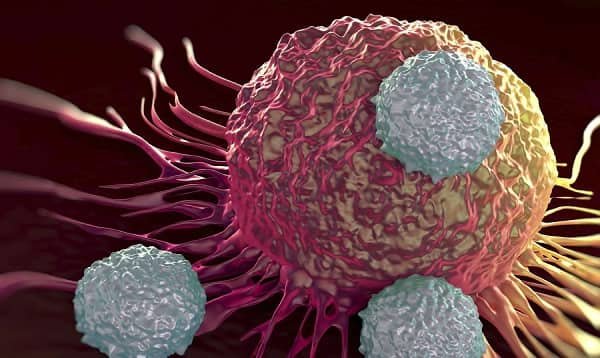
A COVID-19 vaccine cannot guarantee that a person will never become infected. Protection against infection can decrease over time and can vary as the virus changes. The most important benefit is protection against severe illness, hospitalisation and death. Vaccination helps the immune system recognise the virus and respond more quickly, reducing the chance that an infection will become dangerous. Protection is not permanent, which is why health authorities may recommend updated doses for particular age groups or people at higher risk. Personal recommendations should follow current medical guidance in each country.
9. Long COVID can follow an infection that seemed mild
Some people continue to experience symptoms after the initial infection has ended. This condition is commonly called Long COVID or post-COVID-19 condition. Symptoms may include fatigue, breathlessness, sleep problems, muscle or joint pain, headaches and difficulty concentrating. They may persist, improve, return or fluctuate over time. Importantly, Long COVID is not limited to people who were hospitalised; it can occur after a mild infection as well. Anyone with persistent or worsening symptoms should seek medical advice instead of assuming that recovery must follow the same timetable for everyone.
10. COVID-19 can affect more than the respiratory system
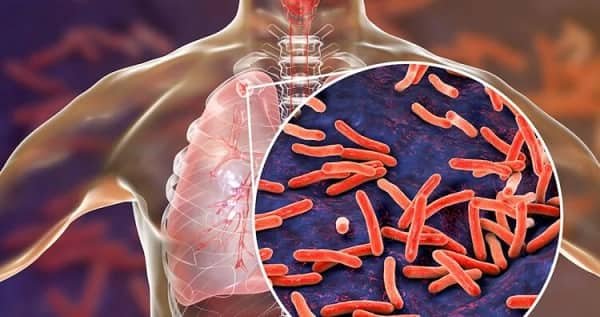
The lungs are a major target because SARS-CoV-2 enters and spreads efficiently through the respiratory tract, but COVID-19 can involve other parts of the body. Severe illness may affect the heart, brain, kidneys, blood vessels and other organs. A rare complication called multisystem inflammatory syndrome can cause inflammation in several body systems, including the heart, lungs, kidneys, brain, skin, eyes and digestive tract. This does not mean every infection causes multi-organ disease. It shows, however, why COVID-19 is more than an ordinary cough and why severe or unusual symptoms deserve medical attention.
Understanding is the strongest protection
COVID-19 is no longer a subject that can be understood through fear or oversimplified headlines. It is a changing viral disease whose effects depend on the virus, the person, the level of immunity and the quality of medical care. Understanding the science helps people make calmer decisions, recognise warning signs and protect those who are more vulnerable.