A cat can spend the morning sleeping in a patch of sunlight, the afternoon watching a bird through a window and the evening racing through the house as if it has just discovered a new world. That mixture of calm confidence and sudden energy is part of what makes cats so fascinating. Domestic cats may live beside people, but they still carry the instincts of skilled hunters. Their eyes collect light, their whiskers read the space around them, and their quiet movements hide remarkable control. They can communicate without speaking, rest for much of the day and still react to the smallest sound. From ancient partnerships with farmers to the mysterious language of purrs, these facts reveal the science, history and behaviour behind one of the world’s most popular companions.
1. Cats Have a Built-In Measuring System
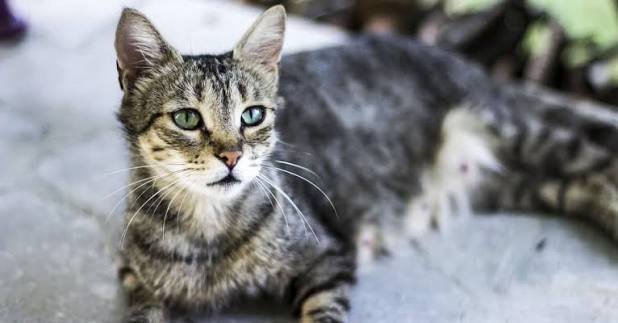
A cat’s whiskers are not ordinary hairs. They are sensitive touch organs called vibrissae, with nerves at their roots. Whiskers help cats judge nearby objects, detect air movement and estimate whether their bodies can fit through a narrow opening. They also help a hunting cat locate prey that is too close to see clearly. Whiskers also grow above the eyes, on the chin and on the backs of the front legs. Their position can reveal mood: forward-facing whiskers may show interest, while whiskers pulled tightly back can indicate fear or stress. Because they are sensory equipment, they should never be trimmed for appearance.
2. Cats Cannot See in Complete Darkness
Cats see much better than humans in very low light, but they still need some light to see. Their eyes contain many light-sensitive rod cells, large pupils and a reflective layer called the tapetum. This layer sends light back across the retina, helping cats make better use of dim light and causing their eyes to appear bright at night. Cats are often described as nocturnal, but most domestic cats are more active around dawn and dusk. Their eyes are adapted for the low light of these periods, when small prey would naturally be moving. In complete darkness, however, even the best feline eyes cannot form an image.
3. Purring Does Not Always Mean Happiness
Cats often purr when they feel safe and content, but purring has more than one meaning. Some cats purr when they are frightened, uncomfortable or in pain. The sound may help them calm themselves and communicate with kittens or people. A sudden change in purring, especially with unusual behaviour, deserves attention. A purr may comfort a kitten, calm an anxious adult or accompany a pleasant interaction with a person. It should not be used as a complete health check. If purring arrives with hiding, loss of appetite, unusual posture or reluctance to move, the cat may need veterinary attention.
4. Cats Are Excellent Jumpers
A cat’s powerful back legs, flexible spine and strong balance allow it to leap impressive distances compared with its body size. Cats can use their tails for balance while turning in the air or walking along narrow surfaces. Their climbing and jumping skills come from the same hunting abilities that helped their wild ancestors catch prey. Cats do not jump only to show off. Height gives them a better view of a room and can provide a safe resting place away from disturbance. A cat may also jump onto a shelf because its hunting brain is attracted to movement, changing levels and places from which it can observe without being noticed.
5. Their Claws Are Designed for Precision
Cats can extend and retract the claws on their front paws. Keeping the claws protected helps them stay sharp for climbing, gripping and defence. Scratching is not simply bad behaviour: it stretches the body, removes old claw layers and leaves visual and scent messages for other cats. Scratching also leaves an important visual sign in the environment. The marks show that a cat has used a particular place, while scent glands in the paws leave chemical information. Providing suitable scratching surfaces allows cats to perform this natural behaviour without damaging furniture and helps them exercise their shoulders and toes.
6. Cats Are Natural Sleep Experts
Many cats sleep or rest for around 12 to 16 hours a day, and some sleep even longer. This habit comes from their hunting heritage. Wild cats use short bursts of energy to catch prey, then conserve energy between hunts. Domestic cats may sleep more when they are bored, comfortable or growing older. Sleep is not always deep and motionless. Cats move between light dozing and deeper sleep, and they may twitch their paws or whiskers while dreaming. A comfortable sleeping area is important, but sudden changes in sleep, energy or appetite can signal illness rather than ordinary laziness.
7. Cats Do Not Taste Sweetness Like Humans Do
Domestic cats are obligate carnivores, meaning their bodies are adapted to obtain important nutrients from animal food. Scientists have found that cats lack a working version of the taste receptor that detects sweetness in humans. This is one reason sugary foods are not naturally attractive or useful to them. This does not mean cats have no taste preferences. They can detect bitter, sour, salty and savoury flavours, and smell strongly affects whether food seems attractive. Their preference for meat is connected to their biology: certain nutrients that cats need are naturally found in animal tissues.
8. Cats Communicate with Their Tails, Ears and Eyes
A cat’s body can speak before it makes a sound. A raised tail often signals confidence or a friendly greeting, while flattened ears may show fear or irritation. Slow blinking can be a relaxed social signal. Reading these small movements helps people understand when a cat wants attention and when it needs space. Communication depends on context. The same meow may mean greeting, hunger or frustration in different situations. Cats also communicate through rubbing, scent, posture and distance. Learning these signals helps people avoid forcing contact and allows a cat to choose friendly interaction more comfortably.
9. Domestic Cats Came from Wildcat Ancestors
Modern domestic cats descend mainly from the African or Near Eastern wildcat. Cats probably began living near people because human settlements attracted rodents and provided easy hunting opportunities. Over time, the relationship became useful to both sides. Cats gained access to food and shelter, while people gained skilled pest hunters and companions. This relationship was probably gradual rather than a single dramatic moment when humans suddenly adopted cats. Wildcats that were less fearful around settlements could hunt rodents near stored grain. People tolerated or welcomed them, and over many generations cats became familiar companions while retaining much of their independent behaviour.
10. Every Cat Has a Unique Nose Pattern
The ridges and lines on a cat’s nose are different from one individual to another, much like fingerprints in humans. Coat patterns can also help identify cats, but the nose has its own fine details. A cat’s nose is more than a cute feature: it is a sensitive organ used for smelling food, exploring surroundings and recognising scents. A nose pattern is not the only unusual feature of feline identity. Each cat also has its own combination of coat markings, face shape, voice and scent. These details help cats recognise one another. For people, observing small changes in a cat’s face, breathing or smell can sometimes reveal a health problem early.
Small Animals with Remarkable Abilities
Cats may look quiet and self-contained, but their bodies and behaviour reveal a sophisticated combination of senses, athletic ability and social signals. They can navigate dim spaces, communicate without words and conserve energy with extraordinary efficiency. Their history with humans began as a practical partnership, yet their intelligence and character turned that partnership into companionship. The next time a cat blinks slowly, twitches its whiskers or curls up for a long nap, remember that there is far more happening behind those bright eyes than meets the eye. Respecting these instincts is one of the best ways to build a calmer, healthier and more trusting relationship with a cat.