The term “poorest states” can refer to two different measures: low per-capita income and a high proportion of people experiencing poverty. Per-capita income helps compare average economic output or income across states, while the Multidimensional Poverty Index (MPI) considers deprivations in health, education, and living standards.
For a meaningful comparison as of 2026, this article focuses mainly on per-capita income, using the latest available state-level data for 2024–25 where reported, and also discusses multidimensional poverty. These measures do not describe every household’s circumstances, and some states have incomplete or differently timed data. The rankings below are therefore a practical overview rather than a claim that every state has an identical, fully comparable 2026 dataset.
The following states are discussed in ascending order of economic disadvantage, based primarily on the latest available per-capita income figures for 2024–25. The figures are approximate and expressed at current prices. They measure average state income, not the actual income of every resident.
1. Bihar
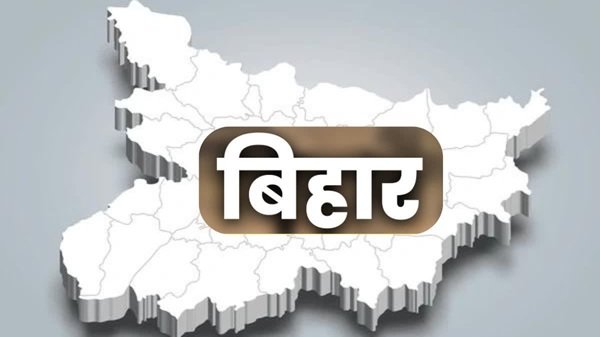
Bihar is widely recognised as India’s poorest state in terms of per-capita income. Its economy relies significantly on agriculture, small businesses, construction, and services. Despite progress in infrastructure and economic activity, the state continues to face challenges related to employment opportunities, industrial development, and access to quality education and healthcare.
Bihar’s per-capita income was approximately ₹69,321 in 2024–25. The state also recorded the highest multidimensional poverty headcount ratio in the 2019–21 National Family Health Survey-based assessment, at 33.76%.
Major challenges: Low per-capita income, limited formal employment, and gaps in infrastructure and human development.
2. Uttar Pradesh
Uttar Pradesh has one of India’s largest populations and a diverse economy involving agriculture, manufacturing, trade, construction, and services. However, its large population means that economic output must support a substantial number of people.
Its per-capita income was approximately ₹1.09 lakh in 2024–25. The state has significant opportunities for growth through industrial corridors, infrastructure investment, tourism, food processing, and small-business development.
Major challenges: Regional income inequality, pressure on public services, and the need for more productive employment.
3. Jharkhand
Jharkhand is rich in mineral resources, including coal, iron ore, and other industrial minerals. Mining and related industries contribute significantly to its economy, but the benefits of these resources are not distributed equally across all communities.
The state’s per-capita income was approximately ₹1.17 lakh in 2024–25. Some rural and tribal communities continue to experience limited access to healthcare, education, transport, and stable employment.
Major challenges: Unequal distribution of economic benefits, rural poverty, and dependence on resource-intensive industries.
4. Madhya Pradesh
Madhya Pradesh has an important agricultural economy, with crops such as wheat, soybeans, and pulses contributing to rural livelihoods. Manufacturing, mining, tourism, and services also support economic activity.
Its per-capita income was approximately ₹1.53 lakh in 2024–25. The state has made progress in agriculture and infrastructure, but differences in development between districts remain significant.
Major challenges: Rural income insecurity, regional development gaps, and the need for more industrial and service-sector jobs.
5. Meghalaya
Meghalaya’s economy includes agriculture, tourism, services, and mineral-related activities. Its mountainous terrain and dispersed settlements can make transport, healthcare delivery, and infrastructure development challenging in certain areas.
The state’s per-capita income was approximately ₹1.57 lakh in 2024–25. Tourism, horticulture, local enterprises, and improvements in connectivity offer opportunities to strengthen household incomes.
Major challenges: Geographic barriers, limited formal employment in some areas, and uneven access to essential services.
6. Assam
Assam has a diverse economy supported by tea production, agriculture, petroleum, natural gas, tourism, and services. Despite these resources, income levels remain relatively low compared with several larger industrialised states.
Its per-capita income was approximately ₹1.59 lakh in 2024–25. Flooding, riverbank erosion, and transport challenges can affect agriculture, housing, and livelihoods in vulnerable areas.
Major challenges: Flood-related economic losses, rural poverty, and the need to expand higher-productivity employment.
7. Chhattisgarh
Chhattisgarh has substantial mineral resources and important industries linked to steel, power, mining, and manufacturing. Agriculture also remains an important source of income, particularly in rural districts.
Its per-capita income was approximately ₹1.63 lakh in 2024–25. However, some remote and tribal areas face development challenges involving roads, healthcare, education, and access to stable jobs.
Major challenges: Regional inequality, dependence on resource-based industries, and infrastructure gaps in remote communities.
8. West Bengal
West Bengal has a diverse economy that includes agriculture, manufacturing, trade, transport, tourism, and services. Kolkata is a major commercial centre, while many other districts depend heavily on farming, small enterprises, and local industries.
The state’s per-capita income was approximately ₹1.63 lakh in 2024–25. Although it has significant economic strengths, income differences between urban and rural areas remain an important concern.
Major challenges: Uneven regional development, employment quality, and income insecurity among vulnerable households.
9. Odisha
Odisha has considerable mineral resources and industries associated with steel, aluminium, energy, and mining. Agriculture, fisheries, tourism, and services also contribute to its economy.
Its per-capita income was approximately ₹1.69 lakh in 2024–25. Economic development has created opportunities in industrial regions, but some rural and tribal communities continue to face difficulties accessing essential services and reliable livelihoods.
Major challenges: Regional inequality, climate-related risks, and ensuring that industrial growth benefits local communities.
10. Rajasthan
Rajasthan’s economy includes agriculture, tourism, mining, textiles, renewable energy, and handicrafts. The state has internationally recognised tourist destinations, but its large geographical area and arid climate create different economic challenges across districts.
Its per-capita income was approximately ₹1.85 lakh in 2024–25. Water scarcity, drought risk, and uneven access to employment opportunities can affect rural households, particularly those dependent on agriculture and livestock.
Major challenges: Water stress, rural income insecurity, and differences in development between regions.
Comparison of the Poorest States in India
| State | Approx. per-capita income, 2024–25 |
| Bihar | ₹69,321 |
| Uttar Pradesh | ₹1,08,572 |
| Jharkhand | ₹1,16,663 |
| Madhya Pradesh | ₹1,52,615 |
| Meghalaya | ₹1,57,141 |
| Assam | ₹1,59,185 |
| Chhattisgarh | ₹1,62,870 |
| West Bengal | ₹1,63,467 |
| Odisha | ₹1,68,966 |
| Rajasthan | ₹1,85,053 |
Figures are approximate current-price estimates. Availability and reporting periods differ across states, so this comparison should not be treated as a complete measure of poverty or household living standards.
Why Do Some Indian States Remain Poor?
Several factors influence the economic conditions of poorer states.
Limited high-productivity employment: When workers depend on low-income or informal jobs, household earnings may remain limited.
Education and skills gaps: Access to quality education and vocational training can affect people’s ability to secure better-paying work.
Infrastructure challenges: Inadequate transport, electricity, irrigation, and digital connectivity can limit business growth.
Agricultural dependence: Households relying on agriculture may experience unstable earnings because of weather, crop prices, and input costs.
Regional inequality: A state can have thriving cities and industries while remote districts continue to experience poverty.
Addressing these issues requires investment in education, healthcare, infrastructure, productive employment, and effective delivery of social welfare programmes.
Conclusion
The poorest states in India, when compared using available per-capita income figures for 2024–25, include Bihar, Uttar Pradesh, Jharkhand, Madhya Pradesh, Meghalaya, Assam, Chhattisgarh, West Bengal, Odisha, and Rajasthan. Their economic circumstances differ, but many face common challenges involving employment, education, infrastructure, and regional inequality.
These rankings should be interpreted carefully because average income and multidimensional poverty measure different aspects of development. Sustainable progress requires not only economic growth but also better healthcare, stronger education systems, productive employment, and more equitable access to opportunities.Top of Form
Bottom of Form
Frequently Asked Questions
Q. Which is the poorest state in India in 2026?
Bihar is generally identified as India’s poorest state by per-capita income in the latest available comparable figures.
Q. Which state has the highest multidimensional poverty rate?
Bihar had the highest state-level multidimensional poverty headcount ratio in the 2019–21 assessment, at 33.76%.
Q. Does low per-capita income mean everyone in a state is poor?
No. Per-capita income is an average. It does not show how income is distributed among households or account fully for differences in living costs.
Q. Can these rankings change?
Yes. Economic growth, employment, infrastructure investment, demographic changes, and new statistical releases can change state rankings over time.