Bihar is a land where ancient universities, sacred rivers, quiet monasteries and busy village markets exist within the same landscape. Along the banks of the Ganga, history seems to rise from the soil itself. This is the region of Magadha and Pataliputra, the place associated with the Buddha’s enlightenment, the birthplace of Mahavira and the home of one of the world’s oldest centres of learning. Yet Bihar is not only a state of ruins and memories. Its festivals fill riverbanks with lamps, its artists turn walls into stories, its farmers cultivate fertile plains and its forests shelter rare wildlife. These ten facts reveal the remarkable history, culture, geography and living traditions that make Bihar one of India’s most fascinating states.
1. Bihar Was the Heartland of Ancient Magadha
Much of Bihar’s historical importance comes from the ancient kingdom of Magadha. The region became a centre of political power, trade, religion and learning more than two thousand years ago. Its capital, Pataliputra, grew into one of the most important cities of the ancient Indian subcontinent. The Mauryan Empire, founded by Chandragupta Maurya and later ruled by Emperor Ashoka, rose from this region. Bihar was also closely connected with the Gupta period, often remembered as a major age of Indian art, science and literature.
2. Nalanda Was an International Centre of Learning
The ruins of Nalanda Mahavihara in Bihar provide evidence of an extraordinary residential centre of learning. UNESCO describes Nalanda as a monastic and scholastic institution that developed over many centuries, with a history stretching from the 3rd century BCE to the 13th century CE. At its height, students and teachers from different parts of Asia came to study philosophy, Buddhism, logic, medicine, grammar and other subjects. Nalanda was not simply a collection of classrooms. Its monasteries, shrines, libraries and courtyards formed a large academic community.
3. Bodh Gaya Is Linked with the Buddha’s Enlightenment
Bodh Gaya is one of the most important Buddhist pilgrimage sites in the world. The Mahabodhi Temple marks the place where Siddhartha Gautama is traditionally believed to have attained enlightenment beneath the Bodhi Tree. The temple complex is a UNESCO World Heritage Site and includes the Vajrasana, the sacred tree and several other locations associated with the Buddha’s meditation and awakening. Monks, pilgrims and visitors from many countries come to Bodh Gaya to pray, meditate and reflect on the Buddha’s teachings.
4. Vaishali Is Associated with an Early Republic
Vaishali is often described as one of the world’s earliest known republican or representative political traditions. The ancient Vajji confederacy, linked with the Lichchhavis, was governed through assemblies rather than by a single absolute monarch in the later sense of the word. The site is also important in Buddhist and Jain history. The Buddha visited Vaishali and delivered teachings there, while Jain tradition identifies the region as the birthplace of Lord Mahavira. Its ruins therefore connect political history with two major Indian religions.
5. The Ganga Divides Bihar into Two Natural Regions
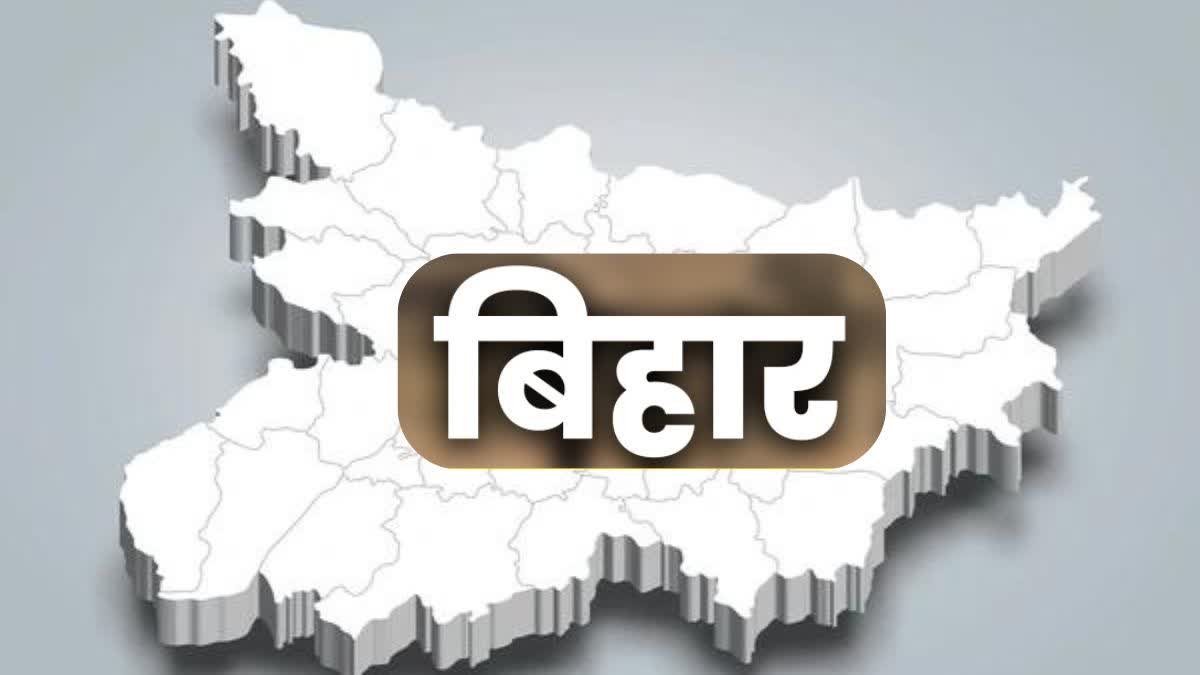
The Ganga flows through the middle of Bihar from west to east and divides the state into northern and southern plains. It is joined by important rivers such as the Gandak, Kosi, Bagmati, Kamla-Balan, Burhi Gandak and Son. These rivers bring water and fertile alluvial soil, helping agriculture flourish across large areas. They can also cause severe floods, especially when heavy monsoon rain combines with water flowing down from the Himalayas. Bihar’s rivers are therefore both a blessing and a continuing challenge.
6. Chhath Puja Gives Special Honour to the Sun
Chhath Puja is one of Bihar’s most distinctive and disciplined festivals. Devotees observe a four-day ritual involving cleanliness, fasting, prayer and offerings to the Sun. One striking feature is that worshippers offer arghya to both the setting Sun and the rising Sun. Families gather at riverbanks, ponds and other water bodies with baskets of fruits and traditional offerings. Thekua, a jaggery-based wheat sweet, is commonly prepared as prasad. The festival combines devotion, nature worship, family participation and a strong sense of community.
7. Madhubani Painting Turns Tradition into Visual Poetry
Madhubani painting, also called Mithila painting, developed in the Mithila region of Bihar. It is known for bold colours, carefully filled spaces, strong outlines and subjects drawn from mythology, nature, village life and religious traditions. Artists have traditionally worked on walls, floors, cloth and paper using brushes, twigs and natural colours. The art became internationally recognised while still retaining its connection with local customs. Today, Madhubani painting is protected as a geographical indication and is one of Bihar’s best-known cultural signatures.
8. Bihar’s Farms Produce Many Special Regional Foods
Bihar’s fertile plains and river-fed soil support a wide range of crops and food products. Rice, wheat, maize, pulses, vegetables and oilseeds are widely cultivated. The state is also known for special regional products such as Shahi litchi, Zardalu mango, Magahi paan, Katrani rice and Mithila makhana. These products reflect the different soils, climates and farming traditions found across the state. Agriculture remains central to rural life, local markets and the identity of many communities.
9. Valmiki Tiger Reserve Protects Bihar’s Wild Side
Bihar is not usually the first place people imagine when they think about tiger habitats, but the state has an important protected forest in West Champaran. Valmiki Tiger Reserve lies in the Himalayan Terai landscape near the Nepal border. Its forests, grasslands and riverine areas provide habitat for tigers, leopards, deer, wild boar, sloth bears and many bird species. The reserve shows that Bihar’s natural heritage extends beyond its historical monuments and fertile plains.
10. Bihar Gave India Its First President
Dr. Rajendra Prasad, born in Ziradei in Bihar, became the first President of independent India. He served from January 26, 1950, to May 13, 1962, and remains the only Indian President to complete two full terms. Before becoming head of state, he worked as a lawyer, joined the freedom movement and served as president of the Constituent Assembly that helped frame India’s Constitution. His simple lifestyle, scholarship and association with Bihar remain an important part of the state’s modern history.
Where History Remains Alive
Bihar’s story cannot be reduced to one image. It is an ancient political centre, a Buddhist pilgrimage land, a home of distinctive art, a farming state shaped by rivers and a landscape that protects wildlife. Its traditions remain active: lamps shine during Chhath, artists paint Mithila stories and farmers work the rich plains. Bihar’s strength lies in this meeting of history and living culture.