A shadow can be as small as a fingertip or stretch across an entire landscape. It may appear sharp at noon, long at sunset, soft beneath a cloud or suddenly vanish when the lights go out. We often treat shadows as empty patches of darkness, but they are actually records of light travelling through space and meeting an object. They help astronomers understand eclipses, helped ancient people measure time and even allow animals to hide in plain sight. These ten facts reveal the simple physics and surprising stories behind one of the most familiar sights in the world.
1. A Shadow Forms When an Object Blocks Light
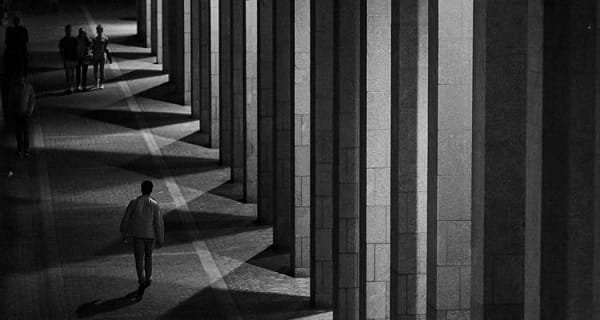
Light normally travels in straight lines through a uniform medium. When an opaque object comes between a light source and a surface, the object blocks some of the light and a darker region appears behind it. That region is called a shadow. The shadow is not a material object and it does not have a separate substance of its own. It is an area where fewer light rays reach the surface. This is why a shadow can move, stretch or disappear without anything physical being carried away.
2. Shadows Need Three Things
A visible shadow normally requires a light source, an object that interrupts the light and a surface on which the blocked region can be seen. The light may come from the Sun, a bulb, a candle or a phone screen. The object may be a person, tree, building or tiny piece of dust. The final surface could be a wall, floor, road, cloud or even another object. If there is no nearby surface, the blocked region may still exist in space, but it is much harder for an observer to see it as a familiar dark shape.
3. Opaque, Transparent and Translucent Materials Make Different Shadows
Opaque materials, such as wood and metal, block most visible light and usually make dark shadows. Transparent materials, such as clear glass, allow much of the light to pass through, so their shadows may be faint or almost impossible to notice. Translucent materials, such as frosted glass, wax paper and some plastics, allow light through but scatter it. They create soft, blurred shadows. The shadow therefore tells us something about how a material interacts with light, not only about the shape of the object in front of the lamp.
4. The Umbra Is the Darkest Part of a Shadow
Many shadows contain two regions. The umbra is the central area where the light source is completely blocked. It is usually the darkest part. Around it is the penumbra, where only part of the light source is hidden, so the shadow appears lighter and less sharply defined. A small light source close to an object may create a strong umbra, while a large or spread-out source tends to create a wider penumbra. This simple distinction is also important in understanding solar and lunar eclipses.
5. The Sun Makes Shadows Change Length During the Day
The Sun appears to move across the sky because Earth rotates on its axis. As the Sun’s position changes, the angle of its light changes too. When the Sun is high, shadows usually become shorter. When the Sun is low near sunrise or sunset, shadows stretch across the ground. The exact length also depends on the season, latitude and the height of the object. A tree therefore does not cast the same shadow all day. Its moving outline is a natural clock created by the rotation of Earth.
6. Sundials Use Shadows to Measure Time
Long before mechanical and digital clocks, people used the changing position of a shadow to estimate the time of day. In a sundial, a raised piece called a gnomon casts a shadow across a marked surface. As Earth rotates, the shadow moves from one mark to another. Sundials must be designed for their location because the Sun’s path differs with latitude and changes through the seasons. They are not perfect modern timekeepers, but they beautifully demonstrate how astronomy, geometry and everyday observation can work together.
7. Eclipses Are Giant Shadows in Space
A solar eclipse occurs when the Moon passes between the Sun and Earth and casts its shadow on part of Earth’s surface. The darkest central shadow is the umbra, where a total eclipse may be seen; the surrounding penumbra produces a partial eclipse. A lunar eclipse occurs when Earth moves between the Sun and Moon, allowing the Moon to pass through Earth’s shadow. Lunar eclipses can be seen from a much larger area than solar eclipses because Earth’s shadow falls across the Moon rather than a small patch of Earth’s surface.
8. Shadow Edges Become Softer When the Light Source Is Large
A tiny point-like light source can make a shadow with a sharp outline. A broad source, such as the Sun in a partly cloudy sky or a large studio lamp, sends light from many directions. Some rays are blocked while others still reach the surface, creating a penumbra and a softer edge. Moving the lamp closer to an object can also change the size and sharpness of the shadow. This is why photographers, theatre designers and filmmakers use diffusers, reflectors and carefully placed lights to control shadows.
9. Animals Use Shadows for Camouflage and Survival
Shadows can hide an animal, but they can also reveal its shape. Many animals have evolved colours and patterns that reduce this problem. Countershading makes the upper side of an animal darker and the underside lighter, helping it blend with darker ground or water when seen from different directions. Some animals also choose shaded habitats, freeze when a predator approaches or use their own shadows to break up their outline. In nature, controlling the contrast between body, light and shadow can mean the difference between being noticed and remaining concealed.
10. A Shadow Can Contain Useful Information
A shadow is not only darkness; it is evidence. Its direction can reveal where the light source is. Its length can provide clues about the height of an object and the angle of the light. Its sharpness can suggest whether the source is small or spread out. Scientists, photographers, architects and artists all use these clues. In astronomy, studying shadows helps researchers understand eclipses and planetary surfaces. In daily life, a simple shadow can show the time, the position of the Sun or the shape of an object that is hidden from direct view.
Shadows are created by absence, but they are far from empty. They show the direction of light, the shape of objects and the movement of Earth and the Moon. A shadow can measure time, announce an eclipse, soften a photograph or protect an animal from danger. The next time your shadow follows you across a road or a tree shadow reaches over a wall, look at it as more than a dark outline. It is a quiet message written by light—constantly changing, but governed by simple and beautiful laws of nature.