Every morning, most people make a small decision that says something about comfort, weather, work, culture or mood: what to wear. A shirt may look simple, but behind it are plants, animals, chemistry, engineering, trade, history and human creativity. Clothes protect the body, help it manage temperature, carry cultural memories and sometimes announce who we are before we speak. They can be beautifully traditional, highly practical or boldly experimental. Here are ten interesting facts that reveal why clothing is far more than fabric stitched together.
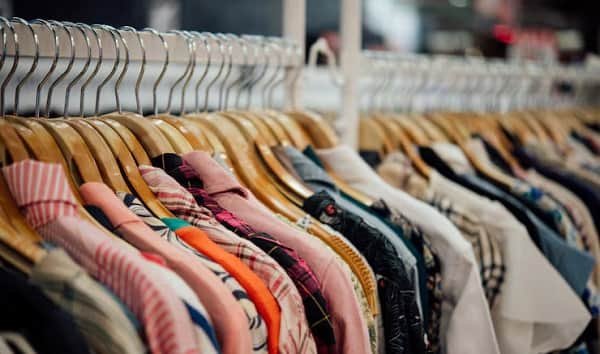
1. Clothes Began as Protection, but Became Much More
The earliest clothing was probably created to protect the body from cold, heat, sunlight, rain, rough surfaces and insects. Over time, clothes became much more than practical coverings. They began to communicate identity, occupation, age, religion, community and social position. A uniform can show that someone belongs to a school or profession, while a traditional garment may connect a person to family history and culture. Clothes are useful objects, but they are also a form of visual language.
2. Fabric Can Come from Plants, Animals or Chemistry
Different clothes begin with different fibres. Cotton comes from the cotton plant, while linen is made from fibres inside the stem of the flax plant. Wool comes from animals such as sheep, and silk is produced from the cocoons of silkworms. Modern clothing also uses manufactured fibres such as polyester, nylon and acrylic. Each material has different qualities: some absorb moisture, some dry quickly, some provide warmth and others are valued for strength, softness or low cost. The feel of a garment is the result of both its fibre and the way that fibre is woven or knitted.
3. Clothing Can Help Control Body Temperature
Clothes act as a kind of personal climate system. Layers of fabric can trap warm air close to the body in cold weather, while loose and breathable garments can help heat and moisture escape in hot conditions. Colour, weave, thickness and fit all influence comfort. A light fabric may allow air movement, while a tightly woven outer layer can protect against wind or rain. Clothing cannot replace shade, water or safe shelter in extreme conditions, but thoughtful design can help the body manage its surroundings.
4. Colours Once Came Mainly from Nature
For much of history, textile colours came from plants, minerals and insects. Indigo produced deep blue, madder roots were used for red, and some insects supplied valuable crimson dyes. These colours were not always easy to obtain, so certain shades could become symbols of wealth or authority. The development of synthetic dyes changed clothing dramatically. In 1856, William Henry Perkin discovered the first commercially successful synthetic dye, mauveine, opening the door to brighter and more widely available colours.
5. Clothes Can Tell Stories About Culture
Textiles often preserve stories that are not written in books. Patterns, colours, embroidery and weaving methods can record a community’s beliefs, geography, trade links and history. The Metropolitan Museum of Art notes that Andean textiles expressed identity, ancestry, political status and religious ideas. In many societies, a garment is connected with weddings, festivals, mourning, work or worship. This is why traditional clothes should not be treated merely as costumes; they may carry knowledge passed from one generation to another.
6. A Garment Is a Small Piece of Engineering
A well-made garment depends on careful construction. Seams join pieces of fabric, fasteners allow clothing to open and close, hems prevent edges from fraying and pockets add storage. The direction of the weave can affect how a fabric stretches, while the cut determines how easily the body can move. Sportswear, uniforms, raincoats and protective clothing are designed around particular tasks. Good clothing is therefore not only attractive; it solves practical problems through shape, material and construction.
7. Denim Became Famous Because It Was Durable
Denim became strongly associated with work because it could withstand rough use. The development of metal rivets made some early work trousers even more durable, helping them survive demanding labour. Over time, denim moved from mines, workshops and farms into everyday fashion. Jeans later became associated with youth culture, music, film and ideas of independence. Their story shows how a useful work garment can become a powerful cultural symbol without losing its practical character.
8. Fashion Often Reflects Social Change
Clothing changes when people’s lives change. New jobs, sports, transport, wars, technology and ideas about gender and freedom have all influenced what people wear. Comfortable fabrics and simpler designs can appear when people need greater movement, while formal styles may return when social occasions demand ceremony. Fashion is not created by designers alone; it is shaped by the people who choose, adapt, reject and reinterpret clothing in daily life.
9. The Clothes Industry Has a Large Environmental Footprint
Clothing requires land, water, energy, dyes, transport and labour. When garments are bought quickly and discarded after very little use, the environmental cost becomes larger. The U.S. Environmental Protection Agency estimated that 17 million tons of textiles were generated in the United States in 2018, and 11.3 million tons went to landfills. Buying fewer but more useful garments, repairing them, sharing or donating them responsibly and using clothes for longer can reduce waste.
10. The Future of Clothes May Be More Intelligent
Clothing is becoming connected with science and technology. Researchers and designers are developing fabrics that can stretch, repel water, manage heat, monitor movement or respond to light and pressure. Some garments are being designed for athletes, medical patients, workers and people living in extreme environments. At the same time, the future of clothing will also depend on sustainability. Better materials, cleaner production, repairable designs and responsible consumption may matter just as much as new features.
Every Garment Has a Story
Clothes are ordinary enough to be overlooked, yet important enough to shape daily life, culture and the environment. Every garment has a story—from the fibre and dye to the person who made it and the person who wears it. Understanding that story can encourage greater respect for traditional textiles, better care of our wardrobes and more thoughtful choices about what we buy and discard.