Mangalore Junction, officially known as Mangaluru Junction, is one of the important railway stations serving the port city of Mangaluru in Karnataka. It is a major rail point for passengers travelling towards Mangaluru city, Bengaluru, Mysuru, Hassan, Kasaragod, Kannur, Kozhikode, Kochi, Thiruvananthapuram, Mumbai, Goa and other coastal and inland routes.
The station is especially important because it connects the Malabar side, the Konkan route and the Western Ghats route towards Hassan–Mysuru–Bengaluru. It is located at Darbar Hill, Padil, and is listed as an NSG-3 category station under the Palakkad division of Southern Railway. Public station details mention 3 platforms and 7 tracks, with parking and electrified status.
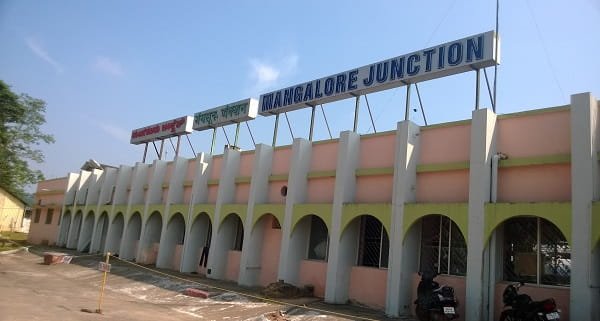
Overview of Mangalore Junction
| Detail | Information |
| Station Name | Mangalore Junction / Mangaluru Junction Railway Station |
| Former Name | Kankanady Junction / Kankanadi railway station |
| Station Code | MAJN |
| City | Mangaluru |
| District | Dakshina Kannada |
| State | Karnataka |
| Address | Darbar Hill, Padil, Mangaluru, Karnataka – 575007 |
| Railway Zone | Southern Railway |
| Railway Division | Palakkad Division |
| Station Category | NSG-3 category station |
| Station Type | Junction railway station |
| Main Railway Lines | Shoranur–Mangalore section, Mangalore Junction–Mangalore Central line, Mangalore–Hassan–Mysore line |
| Number of Platforms | 3 platforms |
| Number of Tracks | Around 7 tracks |
| Station Structure | At-grade railway station |
| Status | Operational and electrified |
| Main Facilities | Parking, ticketing support, platform access, waiting space, drinking water, toilets, food stalls, announcements and local transport access |
| Nearby Areas | Padil, Kankanady, Darbar Hill, Pumpwell, Mangaluru city side, Kulashekara and local road routes |
Mangalore Junction Station Code
The station code of Mangalore Junction is MAJN. This code is used for train ticket booking, PNR enquiry, live train running status, reservation chart checking and timetable searches.
Passengers should not confuse Mangalore Junction with Mangalore Central, whose station code is MAQ. Mangalore Central is closer to the old city side and Hampankatta area, while Mangalore Junction is located at Padil/Darbar Hill side. Mangaluru also has Surathkal railway station on the northern side, so passengers should check the exact station before booking or starting from home. Public transport details for Mangaluru mention Mangalore Central, Mangalore Junction and Surathkal as the three railway stations serving the city.
This distinction is very important for visitors. A train may stop at Mangalore Junction but not at Mangalore Central, or the opposite may happen depending on the route and train service.
Location of Mangalore Junction
Mangalore Junction is located at Darbar Hill, Padil, Mangaluru. This area is away from the central city railway station and is useful for passengers coming from Padil, Kankanady, Pumpwell, Kulashekara, Nanthoor-side road routes and nearby residential areas.
The station’s location gives it a practical role for trains entering Mangaluru from the ghat section and Kerala side. It is also useful for passengers who want to avoid the denser city-centre movement around Mangalore Central.
Local autos, taxis, app cabs and private vehicles are generally available near the station. Passengers travelling towards Hampankatta, KSRTC bus stand, Kankanady, Pumpwell, Panambur, Ullal, airport road side or coastal areas should plan local travel according to train timing. Late-night passengers should arrange pickup in advance, especially if travelling with family or luggage.
Railway Zone and Division Importance
Mangalore Junction comes under the Southern Railway zone and the Palakkad railway division. Public station details list it as an NSG-3 category station in this division.
This gives the station strong importance in the southern coastal railway network. It links Mangaluru with Kerala through the Shoranur–Mangalore section, connects with the Mangalore–Hassan–Mysore line through the Western Ghats, and also supports movement towards the Konkan side.
Mangalore Junction is not just a normal city station. It works as a route-linking station for passengers moving between Kerala, coastal Karnataka, Bengaluru/Mysuru side and Mumbai/Goa-side railway routes.
Platforms at Mangalore Junction
Mangalore Junction has 3 platforms and around 7 tracks. The station handles express trains, passenger trains, long-distance services and regional trains. Since it connects different route directions, passengers should always check the live platform number, train running status and coach position before boarding.
Platform movement may become busier during morning hours, evening hours, weekend travel, monsoon travel, festival rush, student movement and long-distance train timings. Mangaluru is a coastal city with heavy passenger movement towards Kerala, Bengaluru, Mumbai and Goa-side routes, so crowd levels can change quickly depending on the train schedule.
Passengers travelling with children, elderly family members or heavy bags should reach early. At a junction station, platform changes may happen due to late-running trains, route adjustments, crossing movement or operational reasons.
Gates and Entry Points at Mangalore Junction
Mangalore Junction does not have metro-style fixed numbered gates. For railway passengers, the practical reference is the main station building and station forecourt area.
The main entry side is useful for ticket counters, enquiry support, passenger drop-off, parking, platform access and local transport. The approach area may become busy during important train arrivals and departures because autos, cabs, private vehicles and passengers gather near the same entry side.
First-time passengers should enter through the main station building, check the display board, confirm the platform and then move ahead. Reserved passengers should also check coach position early, because long-distance trains can have long coach formations.
Facilities at Mangalore Junction
Mangalore Junction has regular passenger facilities such as parking, ticket counters, platform access, waiting space, drinking water, toilets, food stalls, announcements and local transport access. Public station details also list parking and electrified status.
The station is also part of the wider Amrit Bharat Station Scheme station-upgrade list for Karnataka, where Mangalore Junction is included along with Mangalore Central and other stations. Deccan Herald reported that Mangaluru Junction’s upgradation was planned at a cost of ₹19.32 crore, showing its importance in passenger-amenity improvement.
For daily passengers, the most useful facilities are ticketing support, platform information, local transport and easy station access. For long-distance passengers, waiting space, toilets, drinking water, food availability, coach-position checking and early platform confirmation are more important.
History and Railway Importance
Mangalore Junction was formerly known as Kankanady Junction. Public railway details mention that the station opened in 1915 and was later rebuilt, with the current station continuing as an important junction for Mangaluru.
The railway history of Mangaluru is also connected with the city’s wider transport growth. Public transport details note that Mangaluru was not connected to Mumbai by rail at the time of Independence, and the Konkan Railway project later changed that picture after completion in 1998.
The Mangalore–Hassan–Mysore line is also very important because it connects the coastal city with the inland Karnataka region through the Western Ghats. Passenger services on the broad-gauge route towards Bengaluru began after the line became operational for passenger traffic in 2007.
Train Connectivity from Mangalore Junction
Mangalore Junction has strong rail connectivity because it connects three important directions: Kerala/Malabar side, Hassan–Mysuru–Bengaluru side, and Konkan/Mumbai-Goa side.
Towards Kerala, trains connect Mangaluru with Kasaragod, Kannur, Kozhikode, Shoranur, Kochi, Kollam and Thiruvananthapuram. Towards inland Karnataka, the station is useful for Hassan, Mysuru and Bengaluru-side travel. Towards the Konkan side, passengers can travel towards Udupi, Karwar, Goa, Ratnagiri and Mumbai-side routes depending on the train.
The station is also linked with Mangalore Central through the local rail section, but passengers should check whether their train starts, ends or halts at Junction or Central. This avoids confusion during boarding.
Passenger Importance of Mangalore Junction
Mangalore Junction is important because Mangaluru is a coastal business, education, healthcare and port-linked city. Many passengers use this station for work, study, medical visits, family travel, tourism and long-distance journeys.
The station is useful for passengers coming from the Padil, Kankanady and Pumpwell side. It can also be practical for people travelling towards Bengaluru or Hassan-side routes because many trains on that side use Mangalore Junction.
Tourists also use the station while travelling to coastal Karnataka, Kerala, Udupi, Dharmasthala road routes, beaches and nearby pilgrimage places. For students and working people, it is a regular boarding and arrival point.
Connectivity Around Mangalore Junction
Local connectivity around Mangalore Junction is practical. Autos, taxis, app cabs and private vehicles are commonly used from the station area. Passengers can move towards Mangaluru city centre, Hampankatta, KSRTC bus stand, Kankanady, Pumpwell, Padil, Kulashekara, Panambur, airport road side and nearby hotels.
Road movement can become slow during office hours, school timings, monsoon traffic and festival rush. Passengers catching another train or bus should keep extra time. Since Mangaluru has both Junction and Central railway stations, travellers should confirm the correct station before arranging pickup.
Nearby Places from Mangalore Junction
Important nearby areas include Padil, Darbar Hill, Kankanady, Pumpwell, Kulashekara, Nanthoor-side routes, city bus routes, local markets, hotels, food shops and residential areas.
For passengers going to the city centre, Hampankatta and Mangalore Central side are important points. For onward travel, passengers can move towards Udupi, Manipal, Dharmasthala, Kasaragod, Panambur, Ullal, the airport side and coastal tourist routes by road.
FAQs on Mangalore Junction
Q: Is Mangalore Junction the same as Mangalore Central?
A: No. Mangalore Junction and Mangalore Central are different stations. Mangalore Junction uses code MAJN, while Mangalore Central uses code MAQ.
Q: Why is Mangalore Junction important for Bengaluru-side travel?
A: It is important because the Mangalore–Hassan–Mysore line connects the coastal city with inland Karnataka, including Hassan, Mysuru and Bengaluru-side routes.
Q: Is Mangalore Junction useful for Kerala-side travel?
A: Yes. Mangalore Junction is connected with the Shoranur–Mangalore section, making it useful for passengers travelling towards Kasaragod, Kannur, Kozhikode, Kochi and Thiruvananthapuram.
Q: Which station should passengers choose: Mangalore Junction or Mangalore Central?
A: Passengers should choose according to the train halt and their final destination in the city. Mangalore Central is closer to the main city side, while Mangalore Junction is useful for Padil, Kankanady and many route-linking trains.
Q: Are autos and taxis available outside Mangalore Junction?
A: Yes. Autos, taxis and app cabs are generally available near the station. Late-night passengers should arrange local transport in advance.
Q: Is Mangalore Junction connected with Konkan Railway routes?
A: Yes. The station is useful for passengers travelling towards Udupi, Karwar, Goa and Mumbai-side routes through the coastal railway network.
Q: What should first-time passengers check at Mangalore Junction?
A: First-time passengers should check the exact station name, platform number, train running status and coach position. This is important because Mangaluru has more than one railway station.
Q: Is Mangalore Junction being upgraded?
A: Yes. Mangalore Junction is included among Karnataka stations listed under the Amrit Bharat Station Scheme, and its upgradation was reported with a planned cost of ₹19.32 crore.