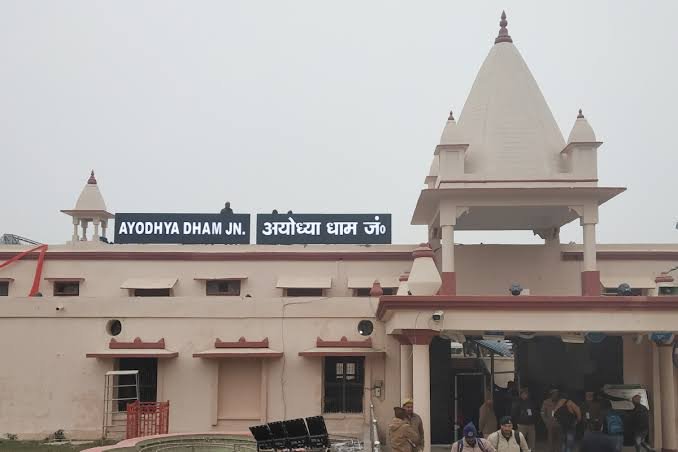
Ayodhya Junction, officially known as Ayodhya Dham Junction, is one of the most important railway stations in Uttar Pradesh for pilgrims, tourists and regular passengers. It serves Ayodhya city and is especially useful for people visiting Shri Ram Janmabhoomi Mandir, Hanuman Garhi, Kanak Bhawan, Saryu Ghat and other religious places. The station has gained major importance after the redevelopment of Ayodhya’s railway infrastructure and the growth of pilgrim traffic in the city.
Ayodhya Junction is listed with station code AY. It comes under Northern Railway and is located at Dharmakata in Ayodhya. The station currently has 3 platforms and 5 tracks, with expansion work planned to increase the platform count to 5 as part of the redevelopment project.
Overview of Ayodhya Junction
| Detail | Information |
| Station Name | Ayodhya Junction |
| Official Name | Ayodhya Dham Junction |
| Station Code | AY |
| City | Ayodhya |
| District | Ayodhya |
| State | Uttar Pradesh |
| Railway Zone | Northern Railway |
| Station Type | Junction station |
| Number of Platforms | 3 platforms; planned expansion to 5 |
| Number of Tracks | Around 5 tracks |
| Main Entry/Exit | Main station building / Dharmakata side |
| Important Routes | Lucknow–Ayodhya–Varanasi line, Lucknow–Gorakhpur line |
| Nearby Transport | Auto stand, taxi stand, bus connectivity, Ayodhya Dham Bus Station, Faizabad Bus Depot |
| Main Facilities | Waiting hall, ticket counters, baggage counters, parking, restaurants, restrooms, ramps, wheelchair access, lifts, escalators, food plaza and retail spaces |
Ayodhya Junction Station Code
The station code of Ayodhya Junction is AY. Passengers should use this code while booking tickets, checking live train status, PNR status or reservation charts. The station was earlier known simply as Ayodhya Junction, but its official name is now Ayodhya Dham Junction.
Passengers should not confuse it with Ayodhya Cantt railway station, which was earlier known as Faizabad Junction. Ayodhya Dham Junction is more directly associated with the religious city area, while Ayodhya Cantt is another important station in the district.
Location of Ayodhya Junction
Ayodhya Junction is located at Dharmakata, Ayodhya, Uttar Pradesh. The station lies south-west of the city centre and south-east of Ram Mandir, making it useful for pilgrims and tourists entering the temple town by train.
From the station, passengers can reach Shri Ram Janmabhoomi Mandir, Hanuman Garhi, Kanak Bhawan, Dashrath Mahal, Saryu Ghat and local markets by auto, e-rickshaw or taxi. The area around the station has become more important because of the rise in tourism and religious travel after the development of Ayodhya as a major pilgrimage city.
Railway Zone and Routes
Ayodhya Junction comes under the Northern Railway zone. It is connected with important routes such as the Varanasi–Lucknow line and the Lucknow–Gorakhpur line. These routes help passengers travel towards Lucknow, Gorakhpur, Varanasi, Prayagraj, Delhi, Bihar and other regions.
The station is also important because several major trains have started using Ayodhya as a key halt or originating point. Vande Bharat and Amrit Bharat train services have further increased the station’s importance for long-distance passengers and pilgrims.
Platforms at Ayodhya Junction
Ayodhya Junction currently has 3 platforms and around 5 tracks. As part of the redevelopment plan, the number of platforms is expected to increase to 5, which will help the station handle more trains and higher passenger traffic in future.
Platform 1 has also been extended to handle longer long-distance trains with more coaches. This is important because Ayodhya now receives heavy pilgrim traffic, especially during festivals, special religious events and holiday seasons.
Passengers should always check display boards and announcements before going to the platform because train platforms may change due to late-running trains, special trains or operational adjustments.
Gates and Entry Points at Ayodhya Junction
The main passenger entry and exit is from the main station building / Dharmakata side. This side is useful for passengers coming from the city, temple route, local hotels, auto stand and taxi stand.
Public station information does not clearly list fixed numbered gates like metro stations. So, for passengers, the practical reference is the main station entrance and the circulating area outside the station.
The station has been made accessible from the city side as well as from the NH-27 side through Ayodhya Bypass Road as part of modernization work. This helps passengers coming by private vehicles, taxis and buses.
Facilities at Ayodhya Junction
Ayodhya Junction has basic and modern passenger facilities such as ticket counters, baggage counters, waiting hall, parking area, restaurants, restrooms, ramps, wheelchair access and disabled-friendly movement. The redeveloped station building also includes passenger-friendly features such as lifts, escalators, food plaza, retail stores, waiting rooms, dormitory spaces, VIP lounges, CCTV, LED lighting, solar panels, rainwater harvesting and sewage treatment facilities.
The new station building has been designed with temple-style architecture, matching the cultural identity of Ayodhya. This gives the station a different look compared to ordinary railway stations and makes it suitable as the main railway gateway to the holy city.
Redevelopment and Passenger Importance
Ayodhya Junction has been redeveloped to handle rising passenger traffic after the growth of religious tourism in the city. The first phase of redevelopment was inaugurated on 30 December 2023. The second phase includes a large concourse above the tracks, two additional platforms and further expansion of passenger facilities.
The station is also part of larger crowd-management planning. Railway authorities have identified Ayodhya Dham among stations where passenger holding areas are planned to reduce platform crowding during peak travel periods such as Diwali, Chhath and other rush seasons.
This is important because Ayodhya now receives pilgrims throughout the year. During Ram Navami, Diwali, New Year, weekends and temple-related events, the station can become very crowded.
Connectivity Around Ayodhya Junction
Ayodhya Junction has road connectivity through autos, e-rickshaws, taxis and buses. The station is connected to Ayodhya Dham Bus Station on the eastern side and Faizabad Bus Depot on the western side. The nearest airport is Maharishi Valmiki International Airport, located south-west of the station.
From the station, passengers can travel towards Ram Mandir, Hanuman Garhi, Kanak Bhawan, Saryu Ghat, Ayodhya Cantt, local hotels, bus stands and airport route. For pilgrims, local autos and e-rickshaws are usually the most convenient options for short-distance movement inside the city.
Nearby Places from Ayodhya Junction
Important nearby places include Shri Ram Janmabhoomi Mandir, Hanuman Garhi, Kanak Bhawan, Dashrath Mahal, Saryu Ghat, Ayodhya Dham Bus Station, local markets, hotels and temple-route transport points.
Food shops, tea stalls, local transport points, hotels and pilgrim-support services are available around the station area. Since Ayodhya is a major religious destination, passengers should expect higher crowd movement near the station during festival seasons and special temple events.
FAQs on Ayodhya Junction
Q: Is Ayodhya Junction the same as Ayodhya Dham Junction?
A: Yes. Ayodhya Junction is officially known as Ayodhya Dham Junction. Many passengers still search it by the old name, but both refer to the same main Ayodhya station.
Q: Which station is better for visiting Ram Mandir: Ayodhya Dham or Ayodhya Cantt?
A: Ayodhya Dham Junction is generally more convenient for Ram Mandir, Hanuman Garhi and the old Ayodhya religious area. Ayodhya Cantt can be useful for passengers staying near the cantonment/Faizabad side or where train availability is better.
Q: Are autos and e-rickshaws easily available outside Ayodhya Junction?
A: Yes. Autos, e-rickshaws and taxis are usually available outside the station, especially during regular train timings. During late night or festival rush, pre-booking or allowing extra time is better.
Q: Is Ayodhya Junction suitable for families and elderly pilgrims?
A: Yes. The station has ramps, wheelchair-friendly access, waiting areas, lifts and escalators in the redeveloped section, but elderly passengers should still reach early during crowded periods.
Q: Does the station get very crowded during festivals?
A: Yes. Ayodhya Junction can become heavily crowded during Ram Navami, Diwali, New Year, weekends and major temple events. Passengers should reach early and avoid last-minute platform movement.
Q: Is local bus connectivity available near the station?
A: Yes. Ayodhya Dham Bus Station and Faizabad Bus Depot are connected with the station area, while autos and taxis are available for temple routes, hotels and other local destinations.