Brown hair can look almost black in shadow, warm like polished chestnut in sunlight, or soft and golden at the edges. That changing appearance is part of its beauty, but the science behind it is even more interesting. Hair colour is created inside the follicle before a strand emerges from the scalp. Pigment-producing cells, inherited genes, age, sunlight and hair care all influence what we see. Brown hair is not one exact shade or texture. It appears in straight, wavy, curly and tightly coiled hair, and it can change across a lifetime. These facts explain why brown hair is biologically complex and visually varied.
1. Brown Hair Is Mainly Created by Eumelanin
The main pigment behind brown hair is eumelanin, a form of melanin that produces brown and black tones. Hair follicles contain melanocytes that make pigment and transfer it into developing fibres. The amount and distribution of eumelanin influence whether hair appears light, medium or dark brown. Another pigment, pheomelanin, produces yellow and reddish tones. The balance between these pigments creates the many natural shades seen in human hair.
2. Genes Play the Biggest Role in Hair Colour
A person’s natural hair colour is largely inherited, but it is not controlled by one gene. Several genes influence how much pigment is produced, which type is made and how it is transported inside the follicle. Variations in genes such as MC1R contribute to differences in brown, black, blond and red hair. Children may inherit a shade resembling one parent, a mixture of both or an unexpected family trait.
3. Brown Hair Has Many Natural Shades
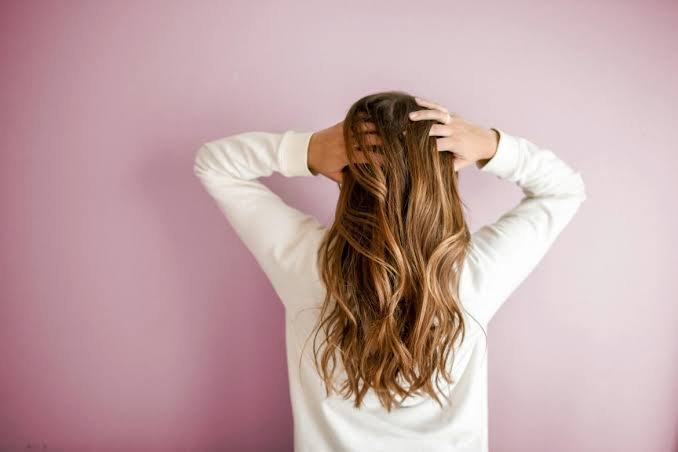
Brown hair exists on a wide colour spectrum. Light brown may contain golden or honey tones, medium brown can look neutral or warm, and dark brown may appear almost black indoors. Chestnut, chocolate, caramel and ash brown are descriptive names rather than strict scientific categories. The visible shade changes with lighting and the condition of the hair surface. A smooth cuticle reflects light differently from a rough one, so shine can alter how brown hair appears.
4. Hair Colour and Hair Texture Are Different Traits
Brown colour does not determine whether hair is straight, wavy, curly or coiled. Colour depends mainly on pigment production, while texture is influenced by follicle shape, hair-shaft structure and genes. Two people can have the same brown shade but completely different curl patterns. Even one person may have mixed textures across the scalp. Hair-colour products and care routines should therefore be chosen separately for pigment needs and strand structure.
5. Children’s Brown Hair May Become Darker
Hair colour can change naturally during childhood and adolescence. Some children are born with lighter brown hair that darkens as follicles produce more eumelanin. Hormonal changes and gene activity may influence this transition. Later, pigment production may slow. These changes do not necessarily mean hair is unhealthy. Natural colour can vary between scalp hair, eyebrows, eyelashes and body hair because follicles in different areas do not behave identically.
6. Sunlight Can Make Brown Hair Look Lighter
Ultraviolet radiation can affect the hair shaft and gradually break down some pigment. Brown hair may develop lighter, coppery or golden-looking strands after long exposure to sunlight. Salt water and chlorine can make the effect more noticeable by drying the surface. Sunlight changes existing hair; it does not instruct a healthy follicle to produce a new colour. New growth usually shows the person’s original pigment pattern.
7. Brown Hair Can Turn Grey with Age
Hair becomes grey or white when follicles reduce or stop producing melanin. Timing is influenced strongly by heredity, although age, health conditions and external factors may also play a role. A brown strand does not gradually turn grey along its length; new growth emerges with less pigment, while older coloured hair remains until cut or shed. Grey hair may look silver, white or mixed with brown depending on remaining pigment.
8. Brown Hair Usually Offers More Natural UV Absorption Than Very Light Hair
Eumelanin absorbs and helps neutralise some ultraviolet radiation, giving darker hair a degree of natural pigment protection. This does not make brown hair immune to dryness, split ends, sun fading or scalp sunburn. The scalp can be exposed along a parting, and chemically lightened hair may be more vulnerable. Hats, shade and sensible hair care remain useful during long periods outdoors.
9. Colouring Brown Hair Requires Chemical Decisions
Brown hair can be coloured darker with little lightening, but creating a much lighter shade usually requires bleaching or stronger peroxide. Lightening alters natural pigment and can make hair porous, dry and fragile. Dermatologists advise choosing a colour close to the natural shade and following instructions carefully. A patch test is important because dyes can cause allergic reactions. Beautiful colour should not come at the cost of an irritated scalp or damaged strands.
10. Healthy Brown Hair Depends More on Care Than Shade
Natural brown hair does not require a special routine simply because it is brown. Care depends on whether the scalp is oily or dry and whether hair is fine, thick, curly, chemically treated or damaged. Gentle washing, conditioner on the lengths, limited heat and careful detangling can reduce breakage. Excessive brushing, tight hairstyles, frequent bleaching and harsh treatments may weaken any hair. A healthy scalp, adequate nutrition and realistic habits support appearance better than expensive claims.
The Living Spectrum of Brown Hair
Brown hair is a visible result of biology, inheritance and time. Its shades come from pigment chemistry, but its appearance is shaped by light, texture, moisture, sunlight and care. It may deepen during childhood, fade at the ends, develop silver strands with age or change after colouring. Understanding these details helps people choose safer products and appreciate natural variation. Brown hair is a broad spectrum reflecting human genetic diversity. It also reminds us that appearance is not a simple label. The same shade can look different from person to person because genes, hair structure and light interact in countless ways. Healthy hair is best understood through care, not comparison and individual habits and routines.