India is home to ancient forts, abandoned villages, historic palaces, mysterious forests, and centuries-old buildings surrounded by fascinating legends. Some places are famous for their architectural beauty and historical importance, while others have developed a reputation for being haunted because of local folklore, unexplained experiences, or tragic events associated with their past. From the deserted settlement of Kuldhara in Rajasthan to the atmospheric forests of Dow Hill in West Bengal, these destinations attract travellers who enjoy history, mystery, horror stories, and unusual travel experiences.
As of 2026, several locations across India continue to be widely discussed as supposedly haunted places. However, it is important to distinguish between folklore and established facts: there is no reliable scientific evidence proving that these places are haunted by ghosts. Their reputations largely come from traditional stories, eyewitness accounts, popular culture, and the eerie appearance of abandoned structures.
1. Bhangarh Fort, Rajasthan
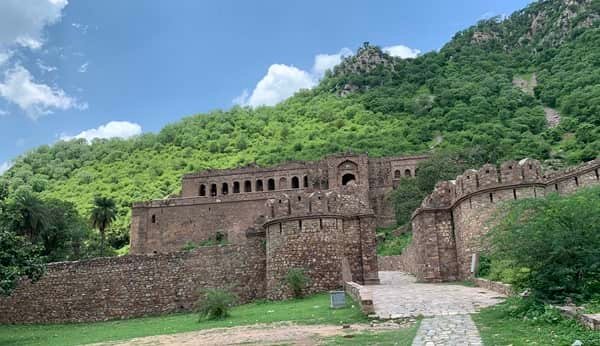
Bhangarh Fort in Rajasthan’s Alwar region is often described as India’s most famous haunted location. The historic complex contains the remains of temples, royal palaces, old marketplaces, and houses that once formed a thriving settlement.
Local legends tell of a curse associated with an ascetic named Baba Balu Nath and another story involving Princess Ratnavati and a sorcerer. These stories have contributed to the fort’s eerie reputation over generations. However, the legends are not proof of supernatural activity.
Bhangarh is also an important historical destination for architecture enthusiasts. Visitors must follow the site’s official access restrictions, including the prohibition on entering the protected complex after sunset or before sunrise.
2. Kuldhara Village, Rajasthan
Located near Jaisalmer, Kuldhara is an abandoned village known for its ruined houses, empty lanes, and mysterious history. It was once associated with the Paliwal Brahmin community, whose settlements were spread across parts of the desert region.
According to local folklore, the villagers abandoned Kuldhara and neighbouring settlements to escape the demands of a powerful minister. Stories later emerged that the departing residents placed a curse on the land, preventing anyone from settling there again.
The historical circumstances behind the abandonment are more complicated than the legend suggests. Today, Kuldhara attracts visitors interested in desert heritage, traditional architecture, photography, and mystery tourism.
3. Dumas Beach, Gujarat
Dumas Beach is located near Surat in Gujarat and is known for its dark sand and supernatural folklore. Stories circulated among local residents and visitors describe strange sounds, unusual experiences, and mysterious activity after dark.
Some versions of the folklore connect the beach’s reputation with its historical association with cremation practices. However, claims about ghosts and paranormal encounters have not been scientifically established.
Dumas Beach is also a regular coastal destination where people visit to enjoy the sea, local food, and the surrounding atmosphere. Anyone visiting should follow beach safety instructions, avoid entering the water in unsafe conditions, and respect local restrictions, particularly at night.
4. Dow Hill, Kurseong, West Bengal
Dow Hill in Kurseong, West Bengal, is famous for its misty forests, winding roads, and eerie atmosphere. The area around Dow Hill and Victoria Boys’ School has become associated with stories about mysterious footsteps, unexplained sightings, and a supposed headless figure.
Dense trees, changing mountain weather, low visibility, and the quiet surroundings can make the area feel unsettling, especially when fog covers the forest paths. Nevertheless, the supernatural stories remain folklore rather than verified evidence.
The region is also worth visiting for its natural scenery, mountain views, and heritage atmosphere. Travellers should stay on recognised paths, respect school and forest access rules, and avoid isolated areas after dark.
5. Shaniwar Wada, Maharashtra
Shaniwar Wada in Pune is a historic fortification associated with the Peshwas of the Maratha Empire. It was constructed in the eighteenth century and played an important role in the region’s political history.
Its haunted reputation is connected to the tragic story of a young Peshwa, Narayanrao, who was murdered in 1773. According to popular legend, people hear cries associated with the young ruler on particular nights. The story has become a prominent part of Pune’s folklore.
The historical site is fascinating even without the ghost story. Its gateways, surviving walls, and architectural remains offer insight into Maratha history. Visitors should treat the monument as a heritage site and follow the rules established by its management.
6. Agrasen Ki Baoli, Delhi
Agrasen Ki Baoli is a historic stepwell in central Delhi, recognised for its striking architecture and long flight of steps descending towards the water chamber. Surrounded by modern buildings, the monument creates a distinctive contrast between old and new Delhi.
Popular stories claim that the stepwell has an unsettling atmosphere and that visitors may experience strange feelings while exploring it. Some versions of the legend associate its dark water with mysterious powers, but these claims have no reliable scientific support.
The baoli is a protected heritage monument and a popular destination for history enthusiasts and photographers. Visitors should respect the structure, avoid damaging the stonework, and observe official opening hours.
7. Lambi Dehar Mines, Uttarakhand
Lambi Dehar Mines, near Mussoorie in Uttarakhand, is frequently mentioned in lists of India’s supposedly haunted places. The abandoned mining area is associated with stories about workers who suffered because of dangerous working conditions and with claims of strange sounds around the site.
Its remote setting, rugged terrain, and remains of mining activity contribute to its unsettling reputation. However, many dramatic stories associated with the location circulate without reliable verification, and alleged paranormal experiences should not be treated as established facts.
The area can present genuine physical hazards, including unstable ground, steep slopes, and unsafe structures. It is not advisable to enter abandoned mine workings or restricted property simply to investigate ghost stories.
8. Ramoji Film City, Telangana
Ramoji Film City near Hyderabad is a major film-production and tourism complex. Its large sets, dramatic interiors, artificial streets, and production facilities have inspired stories about unusual experiences during film shoots and late-night work.
Some popular accounts describe mysterious movements, unexplained disturbances, or strange incidents reported by crew members. These accounts contribute to its reputation as a supposedly haunted destination, but they do not establish that paranormal activity occurs there.
Ramoji Film City is primarily a film and entertainment attraction, with organised visitor experiences and production-related facilities. Visitors should follow the rules of the complex and avoid entering restricted filming areas.
9. Ross Island, Andaman and Nicobar Islands
Ross Island, now officially known as Netaji Subhas Chandra Bose Island, is associated with India’s colonial past. During British rule, it served as an administrative centre for the penal settlement in the Andaman Islands. Its ruins include remnants of colonial buildings and other structures that have gradually been reclaimed by vegetation.
Stories about ghostly presences have developed around its abandoned buildings and historical associations. The combination of ruined architecture, tree roots, and quiet surroundings can make the island feel mysterious, particularly to visitors interested in paranormal folklore.
Its genuine historical significance is a major reason to visit. Travellers should check current boat services, island access rules, and local visitor instructions before planning a trip.
10. GP Block, Meerut, Uttar Pradesh
GP Block in Meerut is widely discussed in local ghost stories because of accounts associated with old, abandoned-looking buildings. Popular tales describe sightings of figures inside a house and mysterious activity that supposedly occurs after dark.
These stories have spread through word of mouth and online discussions, making the area a familiar name in lists of haunted locations in India. However, many of the claims are difficult to verify independently, and the site’s reputation should not be mistaken for proof of ghosts.
Visitors should not trespass into private property or unsafe buildings. If exploring the area, respect residents, follow local rules, and avoid disturbing people simply to investigate rumours.
Comparison of the Top 10 Haunted Places
| Place | State or region | Famous for |
| Bhangarh Fort | Rajasthan | Curse legends and fort ruins |
| Kuldhara Village | Rajasthan | Abandoned settlement |
| Dumas Beach | Gujarat | Coastal ghost stories |
| Dow Hill | West Bengal | Misty forests and local legends |
| Shaniwar Wada | Maharashtra | Tragic historical folklore |
| Agrasen Ki Baoli | Delhi | Mysterious stepwell stories |
| Lambi Dehar Mines | Uttarakhand | Abandoned mining area |
| Ramoji Film City | Telangana | Film-set ghost stories |
| Ross Island | Andaman and Nicobar Islands | Colonial ruins |
| GP Block | Uttar Pradesh | Stories about abandoned buildings |
Safety Tips for Visiting Haunted Places
- Visit during permitted hours and follow all official access restrictions.
- Avoid entering abandoned buildings, mines, tunnels, or unstable ruins.
- Travel with companions when exploring unfamiliar locations.
- Respect local residents, religious sites, heritage monuments, and private property.
- Check weather conditions and transport arrangements before visiting remote destinations.
- Treat paranormal stories as folklore unless supported by reliable evidence.
Conclusion
The top 10 haunted places in India offer a fascinating combination of history, architecture, local folklore, and mystery. Bhangarh Fort and Kuldhara Village are known for their Rajasthan legends, while Shaniwar Wada, Dow Hill, Dumas Beach, and other locations have developed their own distinctive reputations.
Although these destinations are popularly described as haunted, their supernatural stories have not been scientifically proven. Their historical importance, unusual landscapes, and cultural traditions make them interesting destinations in their own right. For anyone exploring India’s mysterious places in 2026, the best approach is to enjoy the legends while respecting historical sites, following safety rules, and distinguishing folklore from established facts.
Frequently Asked Questions
Q. Which is the most famous haunted place in India?
Bhangarh Fort in Rajasthan is widely regarded as India’s most famous supposedly haunted place because of its curse legends and extensive ruins.
Q. Is Bhangarh Fort really haunted?
There is no reliable scientific evidence proving that Bhangarh Fort is haunted. Its reputation comes primarily from local legends and popular stories.
Q. Which haunted place is near Delhi?
Agrasen Ki Baoli in central Delhi is a well-known historical site associated with mysterious folklore. GP Block in Meerut is another location frequently mentioned in ghost stories.
Q. Can tourists visit these haunted places in 2026?
Some locations are accessible as tourist attractions, but access depends on official opening hours, local restrictions, safety conditions, and site management. Visitors should check the rules before travelling.
Q. Why are abandoned places often considered haunted?
Darkness, silence, unusual acoustics, historical tragedies, and local storytelling can make abandoned places feel unsettling. These factors can explain the atmosphere without requiring supernatural explanations.