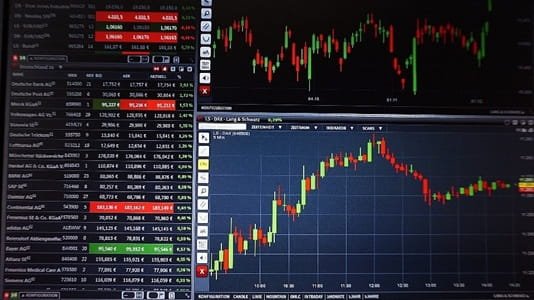
Investors typically analyze transaction costs, market share, or product variety when examining exchanges. But the actual source of revenue for these businesses is trading volume. Every transaction, whether in commodities, equities, or derivatives, results in fees for the exchange that enables it. Understanding volume patterns is vital before studying changes in the MCX share price or any other exchange-linked stock for firms whose earnings are directly tied to market activity.
Why Are Exchanges So Dependent on Trading Volume?
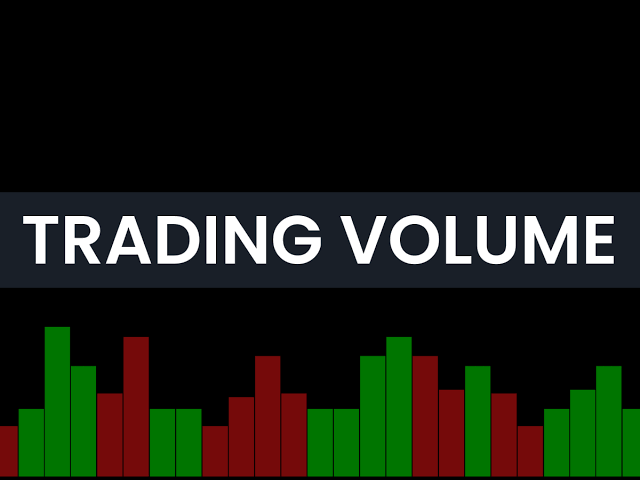
Exchanges don’t sell actual things as manufacturing or consumer firms do. Since transaction-based fees make up the bulk of their revenue model, trading volume is the key factor impacting profitability.
Key reasons this dependency exists:
Instead of utilizing set pricing, income is produced per transaction. Turnover is directly boosted by increasing engagement from institutional and retail traders. Higher volumes may also boost realization since fee structures are usually tiered.
How Does Trading Volume Translate Into Revenue?
Every sale conducted on an exchange’s platform generally carries a small fee. When volumes rise, this fee income compounds quickly, even without any change in the fee rate itself.
Factors that amplify this effect:
A rise in the number of active trading accounts, increased engagement in derivatives, which usually experience faster turnover than cash markets, and the introduction of new goods or contracts that raise interest in trading.
What Role Does Product Mix Play in Volume Growth?
Not all trading volume contributes equally to revenue. Exchanges offering a wider range of products, such as commodity derivatives, equity derivatives, and currency contracts, tend to capture volume across multiple market cycles rather than relying on a single segment.
Points investors should track:
Contribution of derivatives volume versus cash segment volume. Introduction of new expiry structures or contract types. Seasonal patterns in specific segments like commodities.
Why Does Market Share Among Exchanges Matter?
India’s exchange landscape includes multiple players competing for the same pool of traders. Which exchange wins the most when overall market activity grows is often decided by market share in individual categories.
Considerations for investors:
Competitive position in cash vs derivatives market sectors, modifications to laws that might affect exchange volume, price strategies that are adopted to bring in or maintain traders.
How Should Investors Interpret Volume Trends Before Investing?
Rising trading volumes across the market do not automatically mean every exchange benefits equally. Investors evaluating BSE Share Price or similar listed exchanges should look beyond headline turnover figures and study segment-wise contribution.
Useful metrics to examine:
Average daily turnover trends over multiple quarters; growth in options premium turnover compared to notional turnover; client acquisition trends and retention across trading segments.
What Risks Can Affect Volume-Dependent Revenue?
Earnings may be immediately influenced by periods of low volatility or regulatory tightening since exchange revenue is tightly connected to market activity.
Key risks to monitor:
Regulatory changes affecting derivatives trading, such as revised lot sizes or expiry norms; reduced retail participation during extended periods of market consolidation; increased competition leading to fee compression despite stable volumes.
Conclusion
Trading volume sits at the core of every exchange company’s earnings model, making it a critical factor for investors to track. Rather than focusing solely on price charts, understanding turnover trends, product mix, and segment-wise market share offers a more complete picture of an exchange’s growth prospects and long-term earning potential.