Every time money moves through an Indian bank, a payment reaches a shopkeeper, a new note enters circulation or interest rates change, the Reserve Bank of India is somewhere behind the system. Known simply as the RBI, it is India’s central bank and one of the country’s most important public institutions. Most people do not visit its offices, yet its decisions influence savings, loans, inflation, currency, digital payments and the stability of the banking system. The RBI is not an ordinary commercial bank where customers open personal accounts. It works at a much wider level, guiding the financial system and acting as a banker to banks and governments. It also combines old responsibilities, such as managing banknotes and gold reserves, with modern duties involving online payments, cybersecurity and the Digital Rupee. Here are ten interesting facts that explain how the RBI works and why it matters in everyday life.
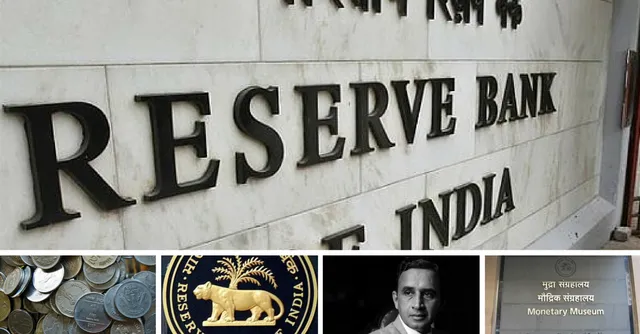
1. The RBI Began Operations in 1935
The Reserve Bank of India was established under the Reserve Bank of India Act, 1934, and began operations on 1 April 1935. Its creation followed the recommendations of the Hilton Young Commission. The RBI was set up to regulate the issue of banknotes, maintain reserves for monetary stability and operate India’s currency and credit system to the country’s advantage. Its central office was initially in Kolkata and moved permanently to Mumbai in 1937. This history makes the RBI one of the oldest major institutions in India’s modern financial system.
2. It Was Nationalised in 1949
The RBI was originally set up as a privately owned shareholders’ bank. After India became independent, the institution was nationalised in 1949 and came under full ownership of the Government of India. Nationalisation gave the central bank a stronger public role at a time when India was building its economy and expanding financial services. Although the RBI is government-owned, it has a distinct institutional responsibility: to carry out its legal functions as the country’s monetary authority and central bank.
3. The RBI Is India’s Central Bank, Not a Regular Bank
A commercial bank serves customers by accepting deposits, providing loans and processing payments. The RBI works above that level. It supervises and regulates important parts of the banking and financial system, manages currency, sets monetary policy and supports the smooth operation of payment systems. It also acts as a banker to banks and governments. Individuals normally do not open savings accounts at the RBI, but their banks operate within rules and systems shaped by the central bank. In this way, the RBI affects nearly every banking customer indirectly.
4. It Issues Most Banknotes in India
The RBI has the legal responsibility for issuing most banknotes in India and maintaining public confidence in the currency. One important exception is the one-rupee note, which is issued by the Government of India. Coins are also issued by the Government, although the RBI puts them into circulation. The RBI manages the supply, distribution and quality of currency notes through its issue offices and currency chests. It also removes soiled or damaged notes from circulation. This makes currency management one of the RBI’s most visible responsibilities.
5. The RBI Uses Monetary Policy to Influence Inflation and Growth
Monetary policy refers to the steps taken by the central bank to influence money, credit and interest conditions in the economy. The RBI’s framework gives importance to maintaining price stability while keeping growth in mind. If inflation becomes a serious concern, tighter monetary conditions can make borrowing more expensive and reduce excess demand. When the economy needs support, easier conditions may encourage borrowing and spending. Monetary policy does not control every price in a shop, but it helps shape the wider financial environment in which households and businesses make decisions.
6. The RBI Regulates and Supervises Banks
The RBI sets rules for banks and monitors their financial health. It examines areas such as capital, liquidity, governance, risk management, customer protection and the quality of loans. These responsibilities are important because a weak bank can affect depositors, borrowers and confidence in the wider financial system. The RBI can issue directions, impose restrictions and take supervisory action when rules are not followed. It also regulates several categories of financial institutions, including certain non-banking financial companies and cooperative banks, under the laws that apply to them.
7. It Manages India’s Foreign-Exchange Reserves
India’s foreign-exchange reserves help the country meet international payment needs and provide confidence during periods of financial stress. The RBI manages these reserves, which can include foreign-currency assets, gold, Special Drawing Rights and India’s reserve position with the International Monetary Fund. The reserves are not ordinary household savings. They are part of the nation’s financial safety system and can support stability in the foreign-exchange market. The RBI also administers foreign-exchange regulations under the Foreign Exchange Management Act, commonly known as FEMA.
8. The RBI Is Closely Connected with UPI and Digital Payments
India’s rapid growth in digital payments depends on a regulated payment and settlement system. The RBI oversees payment systems and works with other institutions to support safe, efficient and accessible transactions. UPI allows users to transfer money instantly through bank accounts, mobile applications and virtual payment addresses. The RBI has supported innovations such as UPI Lite, UPI123Pay and other features designed to make digital payments easier for different groups of users. This work has helped turn digital payments into an everyday part of life for millions of Indians.
9. India Has a Digital Rupee Issued by the RBI
The Digital Rupee, or e₹, is India’s central bank digital currency. Unlike a private cryptocurrency, it is issued by the RBI and represents digital money backed by the central bank. It can be held in a digital wallet and used through participating banks and payment arrangements. The Digital Rupee is being developed through pilot and expanding-use programmes, giving the RBI an opportunity to study how digital currency can work alongside cash and existing payment systems. It is different from the balance in an ordinary bank account because it is a form of central bank digital money.
10. The RBI Also Promotes Financial Inclusion
The RBI’s work is not limited to large cities or major financial markets. It supports financial inclusion by encouraging access to bank accounts, payment services, credit, financial education and formal banking facilities for people in rural areas and underserved communities. It also gives attention to productive sectors such as agriculture, micro and small businesses. Financial inclusion means more than opening an account. People should be able to use banking services safely, understand the costs involved and receive suitable financial support. This developmental role has remained an important part of the RBI’s history.
Why the RBI Matters to Every Indian
The Reserve Bank of India may appear distant from everyday life, but its work is present in almost every financial activity. It protects the currency system, guides interest rates, supervises banks, manages foreign-exchange reserves and helps payments move safely. It also faces new challenges, from online fraud and cyber risks to inflation, digital currency and the changing needs of a growing economy. The RBI’s role is to balance stability with progress. When this balance works well, people can save with greater confidence, businesses can plan more easily and the financial system can respond to difficult periods. Understanding the RBI helps us understand the invisible structure supporting India’s economy.