They are under leaves, inside soil, around flowers and sometimes on the wall beside your hand. Insects are so common that we often notice them only when one bites, buzzes or lands on our food. Yet these tiny animals make up one of the most successful groups on Earth. They have survived for hundreds of millions of years, adapted to deserts, forests, rivers, cities and frozen landscapes, and developed an astonishing range of ways to eat, communicate, hide and reproduce. A bee can help create the fruit we eat, a beetle can recycle dead material, and a dragonfly can control its flight with extraordinary precision. Some insects live for only a few hours as adults, while others spend years developing underground. Behind their small size is a world of complex design and remarkable survival. Here are ten interesting facts that reveal why insects matter so much.
1. Insects Have a Distinctive Three-Part Body
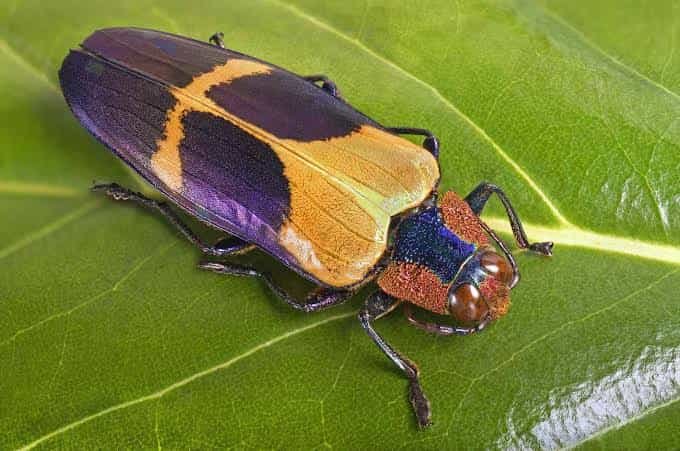
An insect’s body is divided into three main sections: the head, thorax and abdomen. The head carries the eyes, antennae and mouthparts. The thorax holds the legs and, when present, the wings. The abdomen contains many of the organs involved in digestion, breathing and reproduction. This basic design can be modified in countless ways. A butterfly, ant, grasshopper and beetle look completely different, but their bodies still follow the same general plan. Spiders are not insects because they have eight legs and two main body sections instead of six legs and three sections.
2. Six Legs Are One of Their Most Important Features
All adult insects have six jointed legs, although the legs may be shaped for very different jobs. Grasshoppers have powerful hind legs for jumping, praying mantises have grasping front legs, and water striders have specialised legs for moving across the surface of ponds. Bees use their legs to collect pollen, while digging insects may use them like spades. The six-leg arrangement also provides balance. Insects often walk in a pattern known as a tripod gait, keeping three legs on the ground while the other three move forward.
3. Their Skeleton Is on the Outside
Humans have bones inside the body, but insects wear a protective outer covering called an exoskeleton. It is made largely of chitin, a strong material that supports the body and helps protect it from injury and water loss. The exoskeleton cannot stretch like skin, so a growing insect must shed it. This process is called moulting. The insect emerges with a soft new covering, which gradually hardens. During this brief period it is especially vulnerable to predators. The exoskeleton is both armour and a structural frame, allowing insects to remain light while still being protected.
4. Many Insects Go Through Complete Metamorphosis
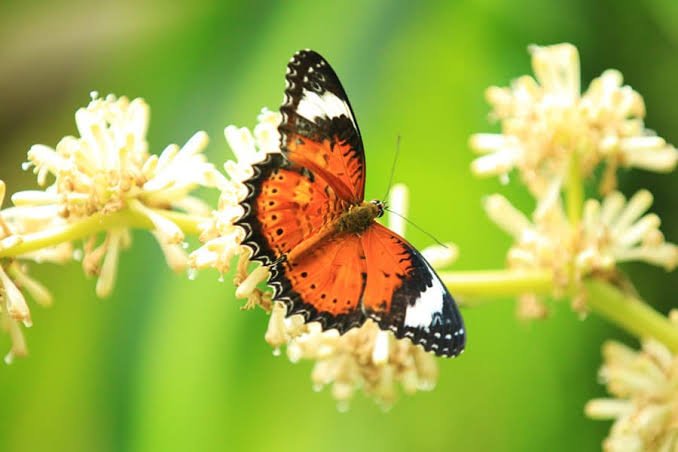
A butterfly does not begin life as a small version of an adult butterfly. It starts as a caterpillar, enters a pupal stage and later emerges with wings. This four-stage life cycle—egg, larva, pupa and adult—is called complete metamorphosis. Beetles, moths, flies, bees and many other insects follow it. The larva and adult often eat different foods and live in different places, reducing competition between young and mature individuals. Other insects, such as grasshoppers, undergo incomplete metamorphosis, in which the young resemble smaller, wingless versions of adults.
5. Insects Are Essential Pollinators
When bees, butterflies, moths, beetles and flies visit flowers for nectar or pollen, they can carry pollen from one flower to another. This helps plants produce seeds and fruit. Around three-quarters of flowering plants depend on animal pollinators, and many crops benefit from insect visits. Apples, melons, pumpkins, almonds and numerous other foods are linked to pollination. Insects do not pollinate because they are trying to help plants; they are searching for food. The plant and the insect simply become partners in a relationship that supports entire ecosystems and human agriculture.
6. Some Insects Communicate with Sound, Scent and Movement
Insects use many forms of communication. Crickets and cicadas produce sounds by rubbing body parts or vibrating specialised structures. Male cicadas can call loudly to attract mates. Honeybees perform movements that help other workers locate food, while ants leave chemical trails for nestmates to follow. Fireflies use flashes of light as courtship signals, and some insects release powerful scents when threatened. Because insects often live in dark soil, dense vegetation or crowded colonies, communication helps them find food, avoid danger, defend territory and locate partners.
7. Insects Have Amazing Ways to Defend Themselves
Small size makes insects vulnerable, so many have evolved impressive protection. Stick insects resemble twigs, leaf insects resemble leaves and some moths look like bark. Bright colours may warn predators that an insect is poisonous or unpleasant to eat. Other harmless species copy the appearance of dangerous insects, such as wasps, to discourage attack. Some beetles spray irritating chemicals, while caterpillars may carry spines or release foul smells. Camouflage can also be used offensively: the orchid mantis may look like a flower while waiting for visiting insects to come close.
8. Ants and Bees Work as Highly Organised Societies
Many insects live in colonies with specialised roles. In an ant colony, workers may gather food, care for young, repair the nest or defend the entrance. Honeybee colonies contain workers, drones and a queen, with each group performing different tasks. No single insect understands the entire colony’s plan, yet simple signals and repeated behaviour produce remarkable cooperation. Scientists call this self-organisation. Insects can build nests, regulate temperature, store food and respond to threats through the combined actions of thousands of individuals.
9. Insects Help Recycle the Natural World
Insects are important decomposers and cleaners. Dung beetles break down animal waste and move it into the soil, where it can return nutrients to plants. Termites and wood-boring insects help break down dead wood, while maggots consume decaying organic material. Insects are also a major food source for birds, fish, frogs, reptiles and small mammals. Without them, dead leaves, fallen trees and animal remains would accumulate more quickly, and many food webs would lose an essential link. Their work is often unnoticed, but ecosystems depend on it.
10. Insects Are Ancient, Diverse and Still Being Discovered
Insects have existed for roughly 350 million years, long before humans appeared. Scientists have described more than a million insect species, but many more are believed to remain unknown, especially in tropical forests and underground habitats. They occupy almost every environment and have adapted to feeding on leaves, nectar, wood, blood, fungi, other insects and decaying material. Their variety is one reason insects are so difficult to study as a single group. At the same time, habitat loss, pesticides, pollution and climate change threaten many insect populations, including important pollinators.
Why Insects Deserve More Respect
Insects may be small, but their influence is enormous. They pollinate plants, recycle nutrients, feed other animals, control pests and provide clues about the health of an environment. Their bodies show how evolution can create extraordinary solutions from a simple design of six legs, three body sections and an external skeleton. Some insects are beautiful, some are irritating and a few can be dangerous, but all are part of the living systems around us. The next time a tiny creature crosses your path, it is worth remembering that you are looking at one of nature’s oldest, most adaptable and most successful forms of life.