F&O trading is often described in a single exciting sentence: control a large market position with a relatively small amount of money. That description is incomplete. Futures and options can help investors hedge risk, express a market view and manage exposure, but the same contracts can also magnify losses with surprising speed. Their prices depend not only on whether a share or index rises or falls, but also on time, volatility, interest rates, expiry and market liquidity. This is why F&O deserves curiosity as well as caution. The ten facts below explain the basic structure of futures and options, why they attract traders, how money is made or lost and what a beginner must understand before placing an order. This is educational information, not personal financial advice.
1. F&O Stands for Futures and Options
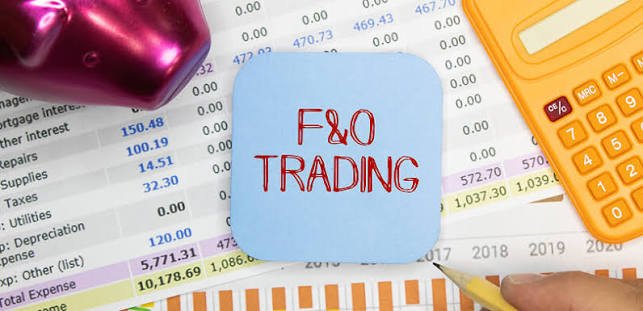
F&O means futures and options, two types of financial derivatives. A derivative gets its value from an underlying asset such as a share, stock index, currency or commodity. In India’s equity market, the underlying may include individual securities and indices such as the Nifty 50. The derivative is a contract whose price changes in relation to that underlying. Traders therefore need to understand both the contract and the asset behind it; watching only the option premium or futures price can hide the forces driving the trade.
2. A Futures Contract Creates an Obligation
A futures contract is an agreement to buy or sell an underlying asset at a specified price on a future date, according to the contract’s terms. Unlike an option buyer, a futures trader does not simply purchase a right. Both sides have contractual obligations, and their positions are adjusted as the market moves. Futures are useful for hedging—for example, managing exposure to a broad market—but they can also produce rapid losses when the position moves against the trader. Margin is required, but margin is not the maximum possible loss.
3. An Option Gives the Buyer a Right, Not a Compulsion
An option gives its buyer the right, but not the obligation, to buy or sell the underlying at a stated strike price before or at expiry, depending on the contract. A call option generally relates to the right to buy, while a put option generally relates to the right to sell. The option buyer pays a premium for this right. The seller, or writer, receives the premium but takes on an obligation if the buyer exercises or the contract is settled according to its rules. Buyers and sellers therefore face very different payoff patterns.
4. The Premium Is Not the Same as the Total Risk
A new trader may see a low option premium and assume the position is inexpensive and safe. The premium is the price paid for the option, but it can fall sharply or become worthless if the expected move does not happen before expiry. An option seller may receive a small premium while accepting much larger potential risk, depending on whether the position is hedged and on the contract structure. Transaction charges, taxes, exchange fees and brokerage also reduce the actual result. A small entry price does not automatically mean a small financial risk.
5. Leverage Magnifies Both Profits and Losses
F&O allows traders to obtain exposure larger than the cash paid upfront. This is called leverage. A relatively small movement in the underlying can create a large percentage change in the trader’s margin or premium. Leverage makes winning trades look attractive, but an adverse movement can trigger margin calls, forced closure or a loss that is far greater than expected. The important question is not how large a position a broker allows, but how much loss the trader can genuinely afford.
6. Time Decay Can Work Against Option Buyers
Options have an expiry date, so time is part of their value. As expiry approaches, an option may lose time value even if the underlying moves slightly in the expected direction. This erosion is commonly called time decay. An option buyer must often be right about direction, timing and the size of the move. An option seller may benefit from time passing, but that benefit comes with the risk of a sudden, large market move. Expiry is not a minor technical detail; it can change the entire trade’s behaviour.
7. Volatility Changes Option Prices
Option prices are influenced by expected volatility, which reflects how sharply the market may move. When traders expect a major announcement, election result, budget, earnings release or global shock, implied volatility may rise and make options more expensive. After the event passes, volatility can fall quickly even when the underlying remains active. This is sometimes called volatility crush. A trader who buys an option before an event may be directionally correct but still earn less than expected if the volatility premium disappears. Options therefore require more than a simple bullish or bearish opinion.
8. Expiry, Lot Size and Settlement Rules Matter
Every F&O contract has defined specifications: expiry date, strike intervals, lot size, trading hours, settlement method and eligible underlying. Lot size means one contract may represent many shares or units, so the rupee impact of a small price change can be much larger than the quote suggests. Contract specifications can change under exchange and regulatory rules. Traders should read the latest contract details, understand whether settlement is cash-based or involves delivery, and know what happens if a position is left open near expiry. Ignoring these details can turn a manageable trade into an avoidable problem.
9. F&O Can Be Used for Hedging, Not Only Speculation
Derivatives are often associated with short-term speculation, but their original purpose includes risk management. An investor holding shares may use a put option to limit downside, or use futures to adjust market exposure. Businesses and professional institutions may hedge price risks linked to equities, currencies, interest rates or commodities. Hedging is not free insurance: the premium, margin, basis risk and imperfect contract match can reduce returns. Still, it shows why F&O is not inherently a gambling tool. Its usefulness depends on the objective, structure and discipline of the user.
10. Most Individual Traders Should Treat F&O as High Risk
SEBI’s study published in September 2024 reported that 93% of individual traders incurred losses in equity F&O during FY22–FY24, with aggregate losses exceeding ₹1.8 lakh crore over three years. The figure is a warning about outcomes, not a prediction for every person. Successful participation requires a tested plan, strict position sizing, full knowledge of margin and charges, reliable execution and the ability to accept losses without chasing them. Borrowed money, emergency savings and household expenses should never be placed at risk for a trading experiment. Tips, guaranteed-return claims and social-media screenshots are not substitutes for research.
F&O trading is interesting because it compresses a large amount of financial information into contracts with defined prices, dates and payoffs. Futures create obligations, options create rights and obligations, and both can change value quickly as the market, time and volatility shift. Used carefully, derivatives can support hedging and disciplined exposure management. Used casually, leverage and expiry can turn a small mistake into a serious financial loss. Before trading, a person should understand the contract specification, maximum realistic loss, margin rules, charges, tax treatment and the credibility of the intermediary. F&O is not a shortcut to guaranteed income. Knowledge, limited risk and emotional discipline are more important than finding the next exciting trade.