A motorcycle can be many things at once: a practical commuter, a weekend escape, a racing machine, a workhorse or a carefully restored piece of history. It may look simple from a distance—two wheels, a frame and an engine—but the way it moves involves balance, physics, heat, friction, sound and human skill. Motorcycles also have a personality that changes with every design. One bike is built to cross cities, another to attack corners, another to carry luggage across continents. Here are ten fascinating facts that reveal what makes motorcycles so clever, exciting and different from ordinary cars.
1. The First Motorcycle Looked More Like a Wooden Experiment
The first widely recognised petrol-powered motorcycle was not a polished machine with chrome, disc brakes and a digital display. Gottlieb Daimler and Wilhelm Maybach built the Daimler Reitwagen in Germany in 1885. It had a wooden frame, a small petrol engine and extra supporting wheels that helped the rider stay upright. The machine was extremely basic by modern standards, but it introduced an idea that would change personal transport forever: a compact internal-combustion engine could move a person on two wheels. Its top speed was only around 11 kilometres per hour, slower than a modern bicycle on a fast downhill stretch. The Reitwagen was not designed for comfort or long-distance travel. It was an experiment, but many modern motorcycles can trace their mechanical ancestry back to that bold experiment.
2. A Motorcycle Engine Can Have Completely Different Personalities
Motorcycle engines do not all deliver power in the same way. A single-cylinder engine is usually light, mechanically simple and full of noticeable pulses. It can be excellent for small motorcycles, off-road machines and economical transport. A parallel twin often offers a useful balance between compact size, torque and smoothness. Three-cylinder engines are known for combining strong mid-range power with a distinctive sound, while four-cylinder engines can be exceptionally smooth and eager to rev. The number of cylinders is only part of the story. Engine size, crank design, tuning, compression, gearing and the way fuel is delivered all affect how a motorcycle feels. Two motorcycles with similar engine capacity can therefore behave like completely different animals—one relaxed and friendly, the other sharp and impatient.
3. Motorcycles Turn by Leaning, Not Only by Turning the Handlebar
A motorcycle changes direction through a combination of steering input, balance and lean angle. At ordinary road speeds, a rider begins a left turn by applying a light forward pressure to the left handlebar. This briefly steers the front wheel to the right, causing the motorcycle to lean left; the bike then travels into the left-hand turn. The same principle works in the opposite direction. Riders often call this countersteering. It may sound strange to beginners, but it becomes natural with practice. The motorcycle’s geometry, tyres, suspension and the rider’s body position then work together to hold the chosen line. A motorcycle is not simply a bicycle with an engine attached. It is a constantly moving balance system, and the rider is part of that system.
4. Two Small Tyre Contact Patches Do All the Road Work
A motorcycle stays connected to the road through two relatively small patches of rubber—the portions of the tyres touching the surface at that moment. Those patches must provide acceleration, braking, steering and cornering grip. Their size and shape change with tyre pressure, load, temperature, speed and lean angle. This is why tyre condition matters so much to a rider. A tyre is not just a black ring that supports the wheel; it is a carefully engineered suspension and grip device. Tread patterns help move water away, rubber compounds determine how the tyre behaves at different temperatures, and the carcass controls how it flexes. Experienced riders pay close attention to tyre warm-up and road surface because dust, oil, paint, gravel and rain can reduce the grip available to those two small contact patches.
5. Racing Motorcycles Can Reach Astonishing Speeds
A production motorcycle may already feel extremely fast, but a modern MotoGP prototype belongs to another world. These machines combine powerful engines, advanced electronics, aerodynamic bodywork, specialised tyres and riders trained to control extraordinary forces. MotoGP’s official speed records have passed 360 kilometres per hour, and Jorge Martín reached 368.6 km/h at Mugello in 2026. That is faster than many aircraft take off from the runway and nearly five times the maximum speed of the first Daimler motorcycle. Yet top speed is only one part of racing. A race bike must also brake repeatedly, change direction quickly, preserve tyre performance and accelerate out of corners. Engineers therefore do not chase speed alone. They search for the best balance between power, grip, braking, aerodynamics and reliability.
6. Modern Motorcycles Are Packed with Invisible Electronics
The outside of a motorcycle may still look mechanical, but many modern machines are controlled by a network of computers and sensors. Ride-by-wire systems measure the rider’s throttle request electronically instead of relying only on a direct cable. Traction control can reduce engine power when the rear wheel begins to spin. Cornering ABS uses information about braking and lean to help manage hard braking while the motorcycle is turning. Some high-end bikes also use an inertial measurement unit, or IMU, which tracks acceleration, movement and the motorcycle’s position in space. Quickshifters allow faster gear changes by briefly managing ignition or fuel delivery. These systems do not cancel the need for skill, sound judgement or safe speed. They simply give the rider another layer of assistance when conditions become difficult.
7. Motorcycle Shapes Reveal What They Were Built to Do
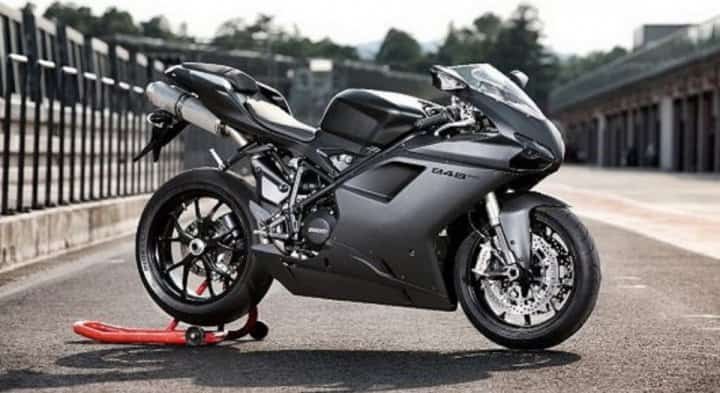
Motorcycles are often grouped into families because their shape and riding position reveal their purpose. A sport bike has a forward-leaning posture, aerodynamic bodywork and geometry designed for fast cornering. A cruiser usually has a low seat, relaxed handlebars and a laid-back riding position. A touring motorcycle is built for distance, with wind protection, luggage capacity and a comfortable seat. An adventure motorcycle combines road ability with stronger suspension and a more upright stance for rougher surfaces. A naked motorcycle leaves much of the engine visible and aims for a direct, versatile riding experience. Scooters place the rider’s feet forward on a flat floor and are designed for easy city use. None of these categories is automatically superior. Each is a different answer to the question: where and how should this motorcycle be ridden?
8. The Drive Chain Is a Small but Important Link in the Machine
Most motorcycles send power to the rear wheel through one of three systems: a chain, a belt or a shaft. A chain is light, efficient and common on performance and everyday motorcycles, but it needs cleaning, lubrication and adjustment. A belt drive is quieter and cleaner, and it is popular on many cruisers, though it can be less suitable for certain extreme conditions. A shaft drive is enclosed and requires less routine attention, making it attractive for touring and some larger motorcycles. The choice affects weight, maintenance, power loss, noise and the character of the ride. Even the simple act of twisting the throttle involves a long mechanical journey: the engine turns a gearbox, the gearbox sends power through the final drive, and the rear wheel converts that rotation into forward motion.
9. Motorcycles Have Been Used for Work, War and Exploration
Motorcycles are often associated with freedom and recreation, but they began as practical machines and have served many serious purposes. They have carried mail, medicines, tools, police officers, soldiers and messengers through places where cars were expensive or unable to travel. Their narrow width helps them move through crowded streets and along rough tracks, while their relatively low weight makes them easier to handle than many four-wheeled vehicles. Specially designed motorcycles have crossed deserts, mountains and long remote routes. Sidecars have even turned two-wheeled machines into three-wheeled vehicles capable of carrying a passenger, equipment or supplies. This useful history explains why motorcycle design is so varied. The same basic idea can become a delivery vehicle, a military machine, a racing prototype or a long-distance adventure partner.
10. A Good Helmet Is a Piece of Life-Saving Engineering
Motorcycle helmets are not merely hard shells placed over the head. A proper helmet combines an outer shell, an energy-absorbing liner, a retention system, padding and a visor or face shield. Its purpose is to manage impact energy and help protect the head during a crash. Research summarised by the U.S. National Highway Traffic Safety Administration indicates that helmets reduce motorcycle rider fatalities by roughly 22 to 42 percent and brain injuries by about 41 to 69 percent. Fit matters as much as appearance. A helmet should sit firmly without painful pressure points, and it should be replaced after a serious impact or when its materials have deteriorated. Gloves, strong footwear, protective clothing and good visibility also matter. The most enjoyable ride is the one that allows the rider to return safely.
A Machine Built Around Balance
Motorcycles are fascinating because they make engineering feel personal. The engine responds to the rider’s hand, the frame reacts to movement, the tyres translate small decisions into direction and the whole machine depends on balance. From the wooden Reitwagen of 1885 to today’s computer-assisted racing prototypes, motorcycles have continued to evolve without losing their essential character. They can be fast, practical, elegant, rugged or wonderfully strange. Whether someone rides for daily transport, competition, travel or simple enjoyment, every motorcycle carries the same basic promise: a direct connection between human judgement, mechanical power and the road ahead.