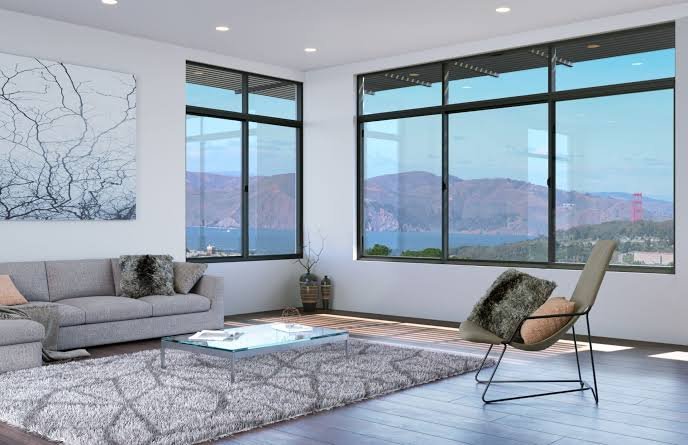
Modern high-rise buildings demand materials that can combine strength, durability, appearance, energy efficiency, and practical installation. Aluminium windows are popular in commercial high-rise buildings because they are lightweight, strong, durable, versatile, and well suited to large glazed façades. From office towers and hotels to shopping centres and mixed-use developments, aluminium window systems have become an important part of contemporary commercial architecture.
Their popularity is not based on a single advantage. Instead, aluminium offers a combination of structural performance, design flexibility, low maintenance, and long service life that makes it particularly suitable for buildings with demanding requirements.
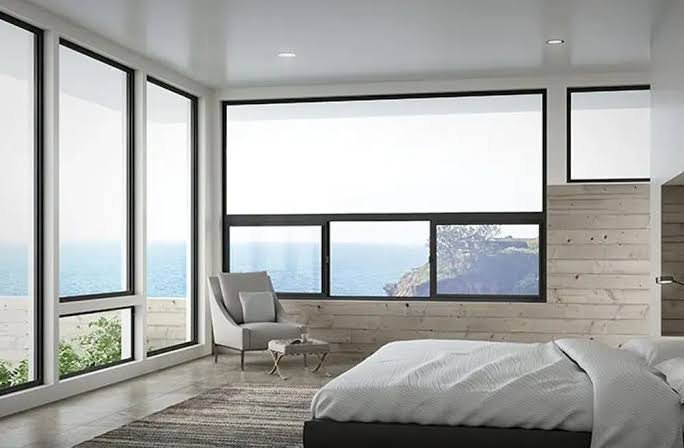
1. Lightweight Yet Strong
One of the biggest advantages of aluminium is its excellent strength-to-weight ratio. Aluminium is considerably lighter than many traditional structural materials while still providing the strength required for window frames and façade systems.
This is particularly valuable in high-rise construction. Large commercial buildings can contain thousands of windows and extensive glazed façades. Using lightweight framing systems can help reduce the overall weight of façade components and make transportation, handling, and installation more manageable.
Although aluminium is lightweight, properly designed aluminium window systems can provide the structural performance needed to withstand wind loads and other forces experienced by tall buildings.
2. Excellent Performance Against Wind Loads
High-rise buildings are exposed to stronger and more variable wind conditions than many low-rise structures. As building height increases, façade systems must be designed to withstand pressure differences, wind movement, and building deflection.
Aluminium window and façade systems can be engineered with appropriate profiles, glazing configurations, reinforcement, and connections to meet project-specific performance requirements.
This makes aluminium particularly useful for commercial towers where large areas of glass are combined with relatively narrow frames.
The actual performance, however, depends on the complete system design rather than simply the material itself. Engineering calculations, testing, installation quality, glazing selection, and building-specific wind requirements all play important roles.
3. Suitable for Large Glass Areas
Modern commercial architecture often emphasizes natural light, expansive views, and visually attractive façades. Aluminium is well suited to this design trend.
Its strength allows manufacturers to produce relatively slim frames capable of supporting substantial areas of glazing when properly engineered. This can create clean sightlines and maximize the visible glass area.
For offices, hotels, corporate headquarters, and retail buildings, large windows can contribute to an open and contemporary appearance while allowing daylight into interior spaces.
Aluminium systems can also be designed in numerous configurations, including fixed windows, sliding systems, curtain walls, doors, and operable façade elements.
4. Highly Customizable Design
Commercial buildings often have specific architectural requirements. A standard window may not be suitable for every project.
Aluminium can be extruded into a wide variety of shapes and profiles. This gives architects and manufacturers considerable freedom when designing window and façade systems.
Aluminium frames are also available in different finishes, colours, textures, and architectural styles. Powder coating and anodizing can provide both aesthetic options and surface protection.
This design flexibility allows aluminium windows to complement everything from minimalist office towers to luxury hotels and contemporary residential-commercial developments.
5. Resistance to Corrosion and Weathering
Commercial high-rise buildings require façades that can withstand years of exposure to sunlight, rain, humidity, pollution, and changing temperatures.
Aluminium naturally develops a thin oxide layer on its surface that helps protect the underlying metal from corrosion. Additional finishes can provide further protection and improve appearance.
This makes aluminium a practical choice for exterior window applications.
However, aluminium is not completely immune to deterioration. Poor detailing, unsuitable finishes, water retention, or contact with incompatible metals can cause problems. Proper material selection, drainage, installation, and maintenance remain essential.
6. Low Maintenance Requirements
Commercial buildings can be expensive and complicated to maintain, particularly when windows are located many floors above ground level.
Aluminium windows generally require relatively little maintenance compared with some alternative framing materials. They do not rot like untreated timber, and high-quality finishes can maintain their appearance for many years.
Routine maintenance may include cleaning the frames and glass, checking drainage paths, inspecting seals and gaskets, and maintaining moving hardware.
Because maintenance requirements are relatively straightforward, aluminium can be attractive to commercial property owners looking to control long-term operating costs.
7. Energy-Efficient Options
Energy efficiency has become increasingly important in commercial construction. Large glazed façades can contribute significantly to heat gain and heat loss, so the performance of the window system matters.
Modern aluminium windows can incorporate thermal breaks, which reduce direct heat transfer through the frame. When combined with appropriate insulated glazing, low-emissivity coatings, solar-control glass, and effective seals, aluminium window systems can provide substantially better thermal performance than basic single-glazed systems.
The overall energy performance depends on the complete window assembly, building orientation, glazing specification, shading, ventilation, and climate.
For high-rise commercial buildings, selecting an appropriately engineered façade system can therefore contribute to improved indoor comfort and reduced energy demand.
8. Fire and Safety Considerations
Fire safety is a critical consideration in high-rise construction. Aluminium itself is non-combustible, but the behaviour of a complete window or façade system depends on all its components.
Commercial projects must comply with applicable building and fire-safety regulations. Glazing, seals, insulation, façade cavities, fixings, and adjacent materials all need to be considered as part of the overall system.
This is one reason why reputable manufacturers and experienced façade engineers are important for high-rise projects. The window cannot be evaluated solely on the properties of the aluminium frame.
9. Easy Fabrication and Installation
Aluminium’s ability to be extruded, cut, machined, and assembled efficiently makes it suitable for large-scale commercial construction.
Many window components can be manufactured in controlled factory environments before being transported to the construction site. This can improve consistency and simplify installation.
For large high-rise developments, standardized fabrication can be particularly beneficial because hundreds or thousands of similar window units may be required.
Depending on the building design, systems can also be integrated with curtain walls and other façade components, helping create coordinated building envelopes.
10. Long Service Life
Commercial buildings are typically designed to operate for decades. Therefore, building owners need façade materials that can deliver reliable long-term performance.
High-quality aluminium window systems can have long service lives when correctly designed, manufactured, installed, and maintained.
Their durability is especially valuable in high-rise buildings because replacing façade components can be considerably more complicated and expensive than replacement at ground level.
A durable window system can reduce the frequency of major repairs and replacements while helping preserve the building’s appearance and performance.
11. Recyclability Adds Sustainability Benefits
Sustainability is another factor contributing to aluminium’s popularity.
Aluminium can be recycled repeatedly without losing its fundamental metallic properties. Old aluminium window frames can be collected, separated from glass and other materials, processed, melted, and used to manufacture new aluminium products.
This creates opportunities to recover valuable materials when commercial buildings undergo renovation or demolition.
The environmental impact of aluminium depends on how it is produced and processed, but incorporating recycled aluminium into new products can significantly improve the material’s resource efficiency.
12. Cost and Long-Term Value
The initial cost of an aluminium window system can vary considerably depending on its profile, glazing, finish, thermal performance, hardware, and engineering requirements.
However, commercial building decisions are rarely based solely on initial purchase price. Building owners also consider installation, maintenance, durability, energy performance, appearance, and expected service life.
A well-designed aluminium system can provide a balance between these factors, making it a practical long-term investment for many commercial developments.
Conclusion
Aluminium windows have become popular in commercial high-rise buildings because they offer a combination of strength, light weight, design flexibility, durability, low maintenance, large-glazing capability, and recyclability.
Their ability to accommodate modern architectural designs while meeting demanding performance requirements makes them particularly suitable for office towers, hotels, retail centres, and other tall commercial structures. With thermal-break technology and high-performance glazing, aluminium systems can also contribute to energy-efficient building envelopes.
Ultimately, the success of an aluminium window system depends on more than the material itself. Proper engineering, suitable glazing, quality manufacturing, professional installation, weatherproofing, and regular maintenance are all essential. When these factors are addressed, aluminium windows can provide a durable and attractive solution capable of serving commercial high-rise buildings for many years.